

Discover the inspiring story of the Nardal sisters, emblematic figures of Négritude and Black feminism, and their lasting impact on culture and literature.
Paulette and Jeanne Nardal, natives of Martinique, stand out as indispensable intellectual figures in interwar Paris, illuminating Black cultural life with their enlightened presence. Their legacy, deeply rooted in the foundations of the Négritude movement, marked a decisive turning point in the recognition and valorization of Black identities around the world.
These pioneering sisters not only helped shape discourse on African and Afro-Caribbean cultural and intellectual diversity, but also paved the way for a new era of reflection and appreciation of Black contributions to global culture. Their influence, transcending borders and generations, continues to resonate as a fundamental pillar of Négritude, affirming their indelible place in intellectual and cultural history.
The Nardal Sisters: pioneers of négritude and the city of light
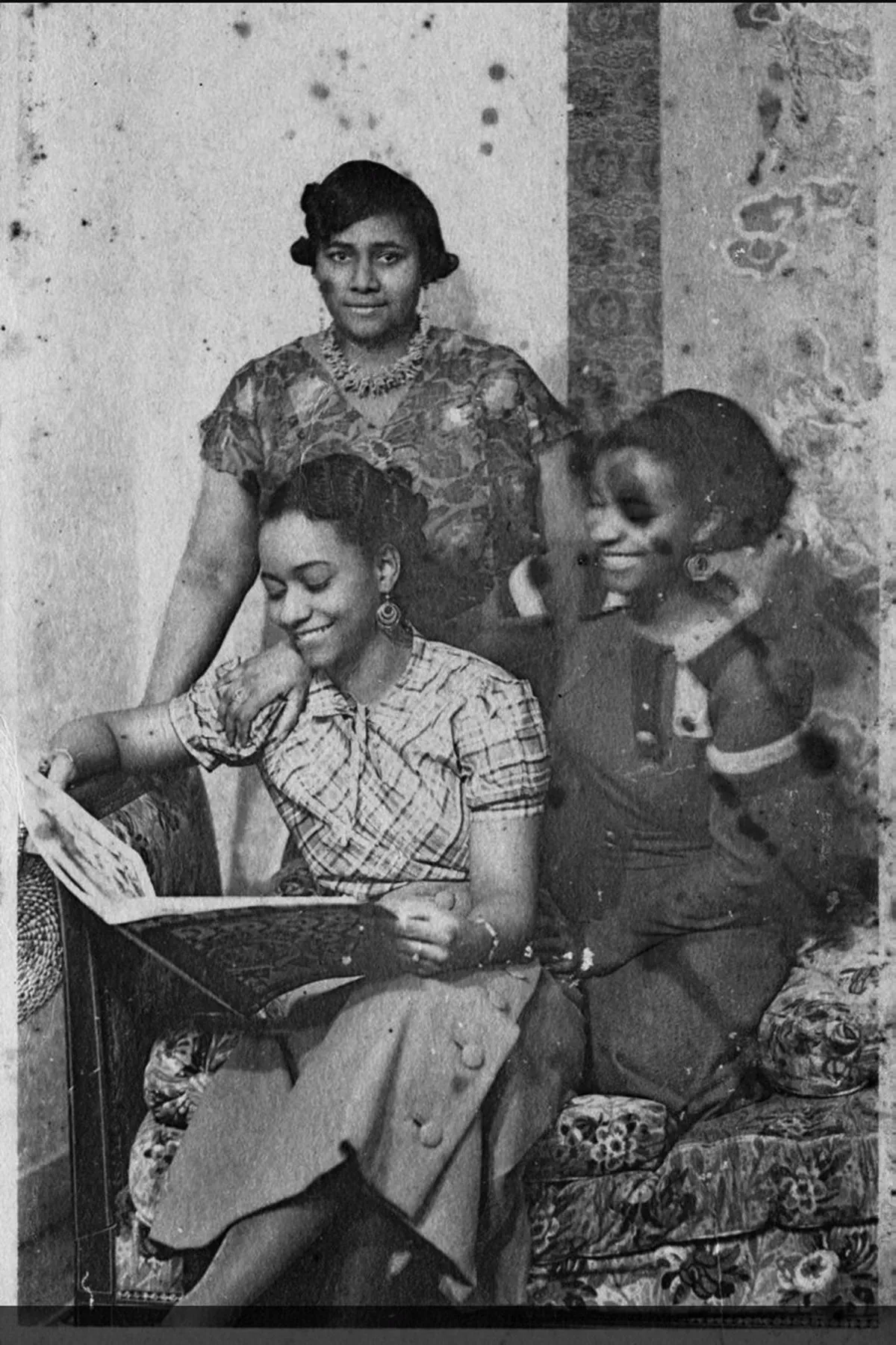
Paulette and Jeanne Nardal, emblematic figures of the Black Parisian intelligentsia of the interwar period, left a lasting imprint on the cultural and intellectual landscape of their time. Born in Martinique into an enlightened bourgeois family, daughters of engineer Paul Nardal and pianist Louise Achille, they inherited a rich cultural and intellectual legacy. Paulette, born in 1896, and Jeanne, her younger sister, broke racial and gender barriers by becoming the first Black women to attend the prestigious Sorbonne University in Paris. Jeanne immersed herself in literature, while Paulette excelled in English, following in the footsteps of their father, a Martinican pioneer of education in France.
Their stay in Paris plunged them into an era in which perceptions of Black people oscillated between colonial stereotypes and a so-called “primitivist” fascination within certain Parisian circles for Black culture, art, and artists. Jeanne Nardal sharply criticized this trend in her provocative 1928 article Pantins Exotiques (“Exotic Puppets”), in which she denounced the reduction of Black figures to objects of exoticism, notably illustrated by the famous American dancer Josephine Baker.
The Clamart Salon: an intellectual crossroads for négritude
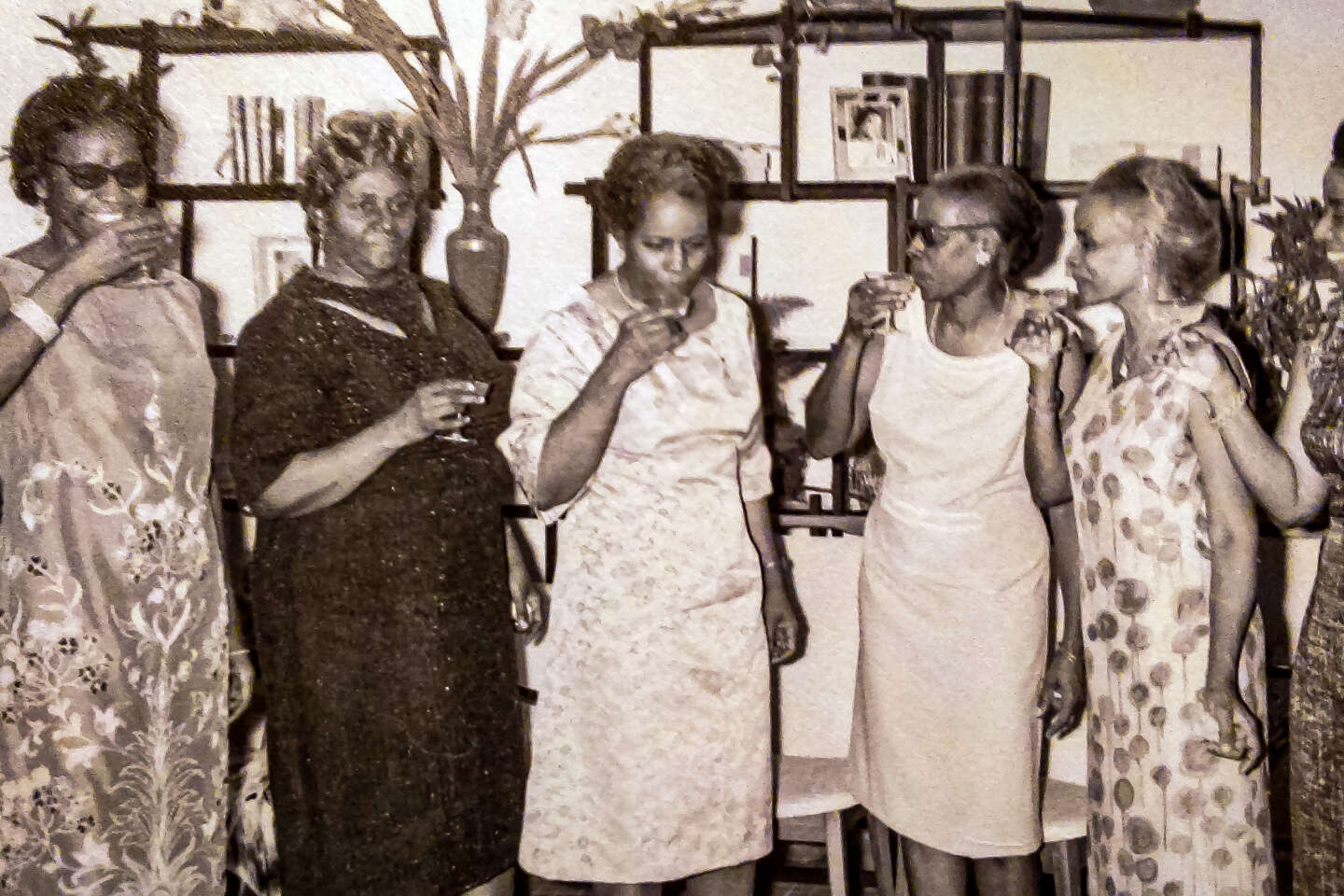
In the 1930s, the Nardal sisters’ home in Clamart, a suburb of Paris, became the epicenter of an unprecedented cultural and intellectual phenomenon. These weekly gatherings, orchestrated by Paulette and Jeanne Nardal, brought together a constellation of Black intellectuals from Africa, the Caribbean, and the United States, creating a unique bilingual Francophone and Anglophone space for dialogue. At the heart of these meetings, pressing issues such as colonialism, racism, and the emergence of Black influence in Parisian society were debated with passion and erudition.
This Clamart salon distinguished itself through its ability to bring together major figures of the Black diaspora, including renowned Afro-American intellectuals and artists passing through Paris. Paulette Nardal’s bilingualism played a crucial role, bridging the Francophone and Anglophone worlds and facilitating the exchange of ideas and works among participants. Among them were individuals who would later become pillars of the Négritude movement, such as Aimé Césaire, Léopold Sédar Senghor, and Léon Gontran Damas, all of whom found in this salon fertile ground for the blossoming of their revolutionary ideas.
The influence of the Nardal Sisters’ salon
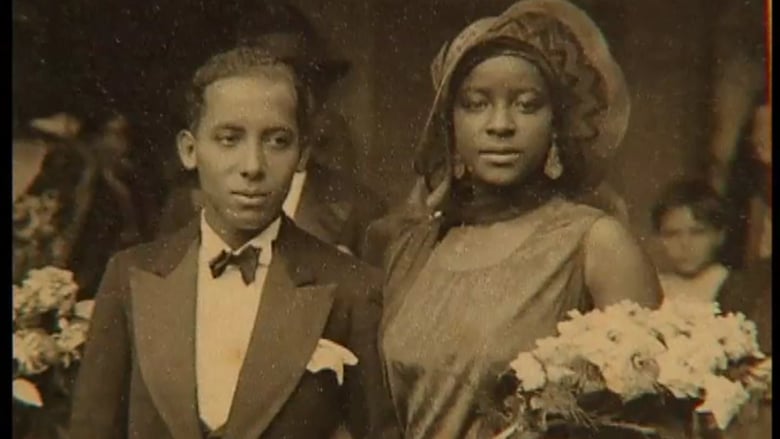
The salon hosted by the Nardal sisters in Clamart played a crucial role in forging the first intellectual and cultural links between the emblematic figures of Négritude and the Afro-American diaspora. Testimonies from personalities such as Aimé Césaire and Léopold Sédar Senghor underscore the importance of this circle in the emergence of the movement. Toward the end of his life, Aimé Césaire stated:
“Two Martiniquan women, the Nardal sisters, held a major salon at the time. Senghor attended it regularly. As for me, I did not like salons—I did not despise them, however—and I only went once or twice, without lingering.”
Léopold Sédar Senghor was also well acquainted with the Nardal sisters. He had unsuccessfully asked for the hand of Andrée Nardal shortly before her death in 1935 at only twenty-five years of age.
In 1960, Senghor explained in a letter to his biographer that between 1929 and 1934 he had been put in contact with Afro-American figures through Paulette Nardal and the salon she organized.
That same year, Paulette Nardal bitterly accused these authors in a letter to Senghor’s biographer:
“Césaire and Senghor took up the ideas that we had brandished and expressed them with far more sparkle—we were only women! We blazed the trails for the men.”
The foundations of négritude laid by Paulette and Jeanne Nardal
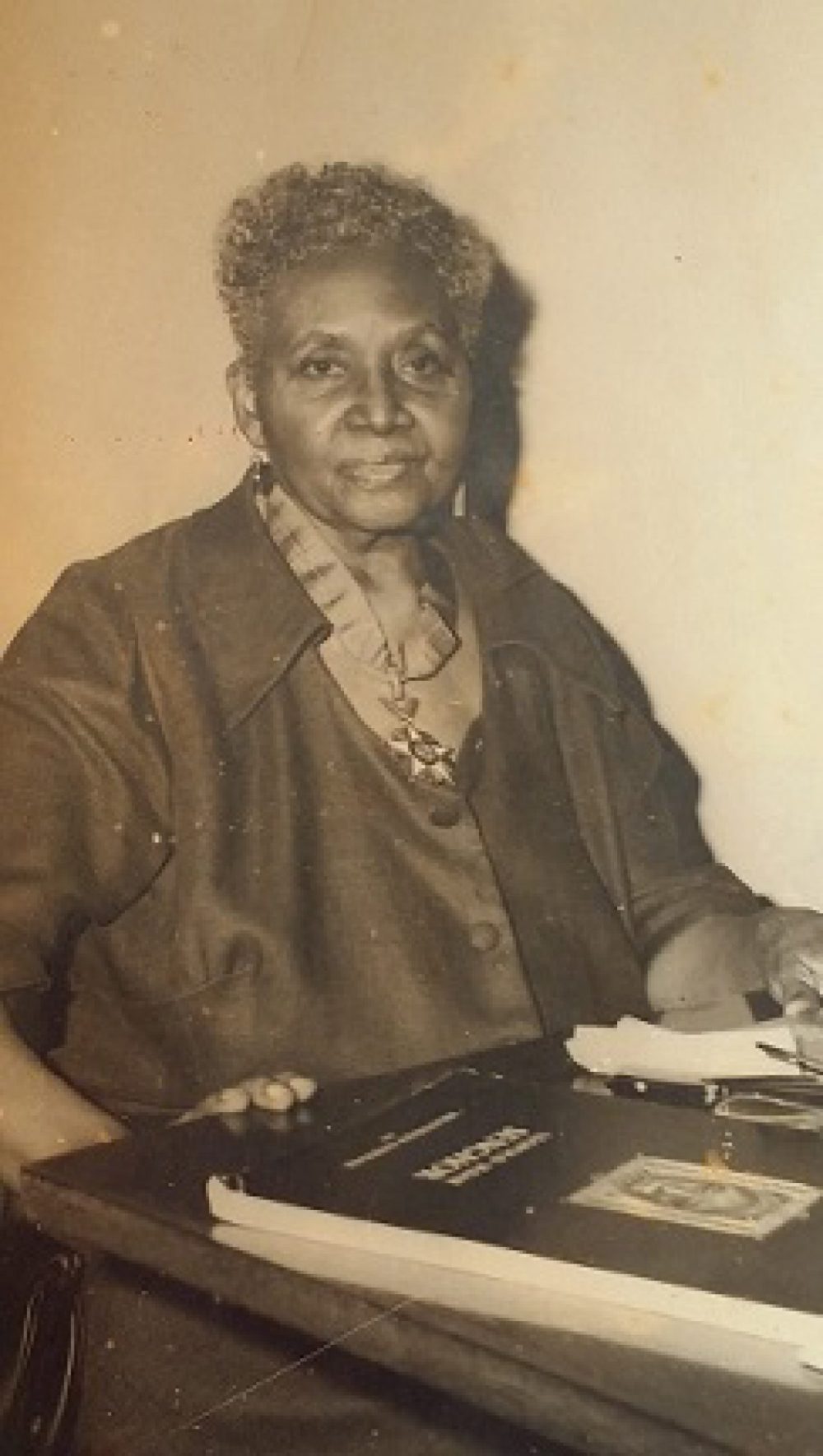
The intellectual contributions of Paulette and Jeanne Nardal were crucial in establishing the foundations of what would become the Négritude movement, as highlighted by Afro-American scholar Tracy Denean Sharpley-Whiting. Their pioneering work laid the groundwork for a racial and cultural awakening among Francophone Black people, marking a decisive turning point in African and Afro-Caribbean intellectual history.
In the Revue du Monde Noir, co-founded by Paulette Nardal, she herself wrote in 1932 a visionary article entitled L’Éveil de la conscience de race chez les étudiants noirs (“The Awakening of Racial Consciousness among Black Students”). By comparing Afro-American and French Antillean literary histories, this text encouraged Antilleans to document and celebrate their unique experiences. The article advocated Pan-Africanism, the rehabilitation of Africa, and emphasized the importance for Black people to assert themselves through their cultural expressions—themes that would deeply resonate with Négritude.
Jeanne Nardal, for her part, contributed to this awakening with her 1928 article Un internationalisme noir (“A Black Internationalism”), which explored the development of racial consciousness among Francophone descendants of Africans, regardless of social class or degree of racial mixing. Through her writings, including poetry published under the African pseudonym Yadhe, Jeanne drew parallels between the Caribbean and Africa, anticipating the central themes of Négritude.
Courage and commitment beyond négritude
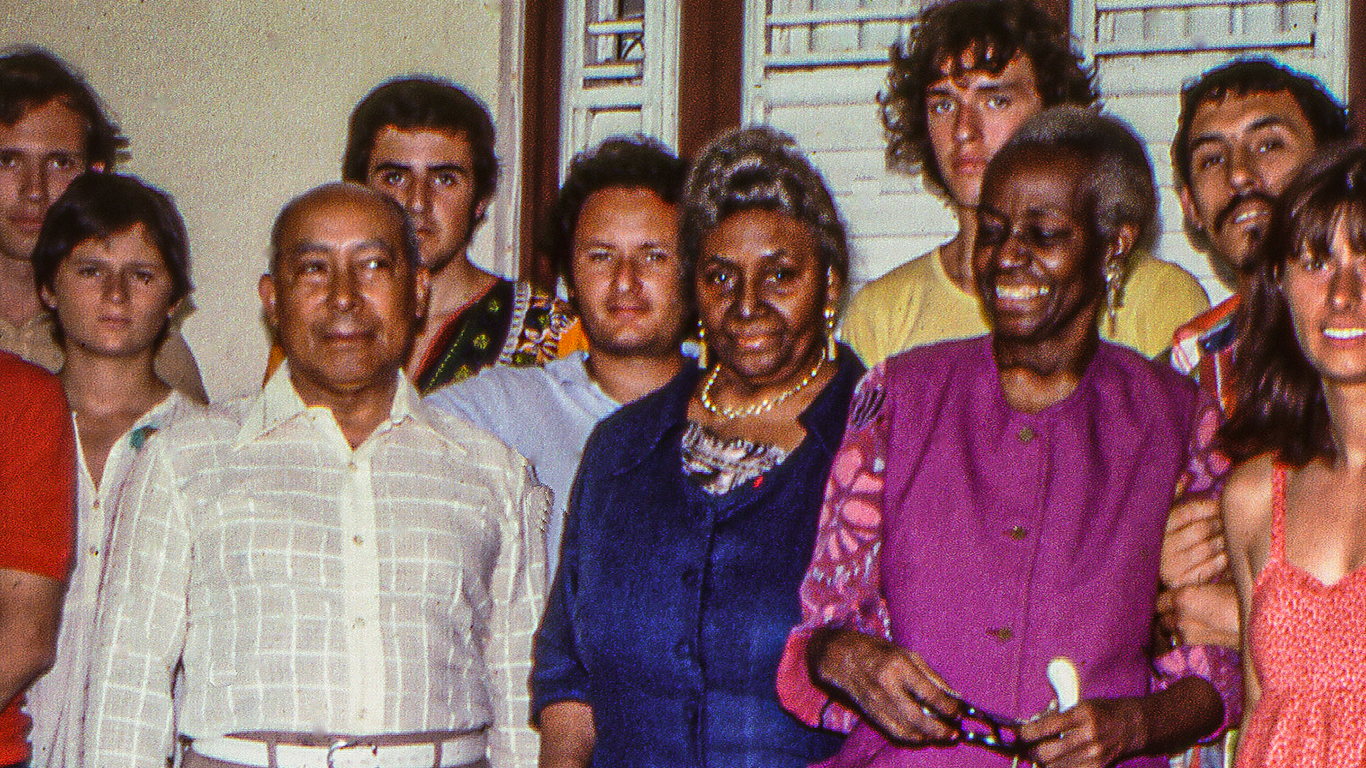
The lives of the Nardal sisters cannot be reduced solely to their pioneering role in the Négritude movement. Their paths were also marked by profound commitment and courage in the face of adversity, testifying to their determination to fight for justice and equality.
In 1939, Paulette Nardal survived a serious accident that permanently altered the course of her life. At the age of forty-four, she was the victim of a tragic event when her ship was attacked by German submarines at the beginning of World War II. This incident left her with significant physical aftereffects, limiting the use of her leg and her mobility for the rest of her life. Despite the challenges posed by her long convalescence, Paulette Nardal refused to give up.
After recovering, Paulette returned to Martinique, where she courageously engaged in resistance under the Vichy regime. She took considerable risks by offering classes to her fellow citizens, preparing them to travel to neighboring English-speaking islands to join the Free French forces of Charles de Gaulle. Her actions, both daring and altruistic, demonstrated her unwavering commitment to freedom and resistance.
The rise to power of Charles de Gaulle in 1943 marked a new chapter in Paulette Nardal’s engagement. Very active in the struggle for women’s rights in Martinique, she founded the Rassemblement Féminin, the Martinican branch of the Union féminine civique et sociale. She also launched a journal, La Femme dans la Cité, and established a new discussion salon dedicated to women’s issues. These pioneering initiatives reflected her vision of a more just and egalitarian society in which women’s voices are heard and valued.
The legacy and final years of the Nardal Sisters
The contributions of the Nardal sisters to society and culture did not end with their role as precursors of Négritude. Their commitment to women’s rights and their active participation in political and social life continued to shape their journeys, even in the face of personal challenges and hardship.
Solicited by the Ministry of Colonies, Paulette Nardal lent her influential voice to the debate on women’s rights in the colonies through a text entitled féminisme colonial (“colonial feminism”). Her work emphasized the importance of recognizing and valuing the contributions of women in colonial territories, advocating for greater equality and justice. After a period in the United States working for the United Nations, Paulette returned to Martinique in 1947, where she continued to campaign for women’s rights until her death in 1985. Her legacy endures as a symbol of courage and determination.
Jeanne Nardal, after teaching in Chad for two years, aspired to greater involvement in political life. However, her ambitions were curtailed by an attack on the family home, an event that marked a turning point in her life. In the 1960s, Jeanne began to lose her sight, which gradually removed her from public life. Despite these challenges, the impact of her work and writings continues to resonate, bearing witness to her significant contribution to thought and culture.
Mystery and legacy
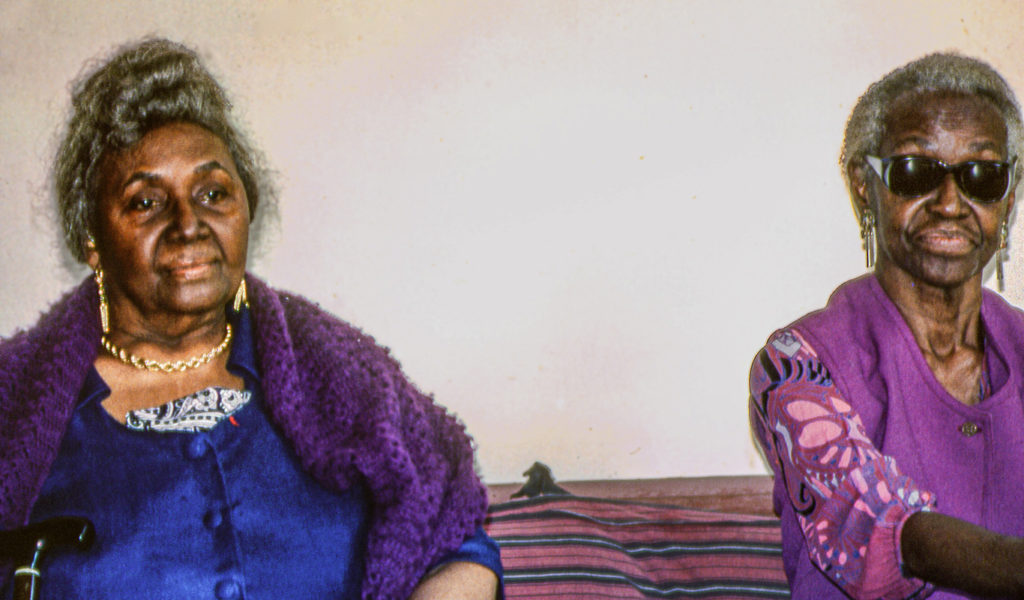
The lives and achievements of the Nardal sisters, Paulette and Jeanne, remain partially veiled by the shadows of time, notably due to a tragic fire that ravaged their family home. This unfortunate event led to the loss of many valuable documents and memories, leaving gaps in our understanding of their rich legacy.
Of Jeanne Nardal, who died in 1993, many details of her life remain elusive to the general public, including her date of birth and even her face, which have not survived the passage of time. What remains of her pioneering work and intellectual contribution is largely transmitted through the accounts of those who knew and admired her. Victor Sablé, in a nostalgic description, evokes the image of a woman of remarkable elegance and presence in interwar Paris:
“Jeanne Nardal, the first woman from the Antilles to graduate in the arts, dazzled the boulevard with her elegant Black silhouette, her hat, her pearl-gray gloves, cane in hand like a heroine of La Garçonne, an activist for women’s rights.”
Despite the challenges posed by the loss of historical documents, the story of the Nardal sisters and their impact on culture, literature, and the women’s rights movement remains fertile ground for research and rediscovery. Their lives of struggle, resilience in the face of adversity, and fundamental contribution to Négritude and feminism offer an inexhaustible source of inspiration.
Carrying Forward the Legacy of the Nardal Sisters
Despite the challenges posed by historical gaps and the loss of crucial documents, the history and impact of the Nardal sisters on culture, feminism, and the Négritude movement remain a profound source of inspiration. Their journey, marked by intelligence, resilience, and an unwavering commitment to justice and equality, continues to resonate with those seeking to understand and value the contributions of Black women to intellectual and cultural history.
Although details of their lives may be partially obscured by time, the spirit and vision of the Nardal sisters transcend these gaps, inviting us to rediscover and celebrate their legacy. Their influence, far beyond borders and eras, calls for deeper exploration of their work and greater recognition of their pioneering role.
In a world constantly searching for role models and inspiration, the Nardal sisters stand as emblematic figures of strength, dignity, and activism. Their story reminds us of the importance of preserving collective memory and continuing the struggle for the rights and recognition of Black women everywhere.
By honoring the Nardal sisters, we not only perpetuate their legacy, but also commit ourselves to continuing their fight for a more just and egalitarian society. Their lives and work remain a beacon of hope and a call to action for present and future generations, underscoring the inestimable value of every contribution to the richness of our cultural and intellectual heritage.
Join the discovery on nofi.media

Your journey through the history and legacy of the Nardal sisters does not have to end here. On nofi.media, a multitude of other captivating stories and in-depth analyses await you, all dedicated to celebrating and exploring the richness of African culture and the diaspora. We invite you to dive deeper into these stories, to discover the voices, struggles, and triumphs that have shaped our world.
Explore, learn, share
Explore our vast collection of articles, essays, and reports highlighting historical figures, cultural movements, and landmark events.
Learn more about the significant contributions of African and Afro-descendant figures to literature, politics, art, and science.
Share your discoveries and reflections with an engaged and passionate community. Your contributions enrich our collective dialogue and help weave stronger bonds within our community.
Engage in the conversation
Nofi.media is more than a website; it is a platform for dialogue, education, and inspiration. We encourage you to leave comments, ask questions, and engage in discussions on topics you are passionate about. Your voice is essential in continuing to build an inclusive and informative space.
Contribute to the legacy
If you are inspired by the stories of figures like the Nardal sisters and wish to contribute to African and Afro-descendant cultural heritage, nofi.media is your space. Whether through submitting articles, participating in events, or simply sharing content with your networks, every action counts.
Join us on Nofi.media and become part of a movement that celebrates diversity, history, and the cultural richness of African communities and their diasporas. Together, let us continue to discover, learn, and celebrate our shared heritage.


