

November 4 is a date rich in events and influential figures in the history of Africa and its diaspora. From the election of Barack Obama to the presidency of the United States to the discovery of Tutankhamun’s tomb, as well as major conflicts and emblematic personalities such as Emeka Odumegwu Ojukwu and Cyprian Ekwensi, this day reflects the hopes, struggles, and cultural heritage of Africans and Afro-descendants.
Major events
November 4, 2008: Election of Barack Obama to the presidency of the United States
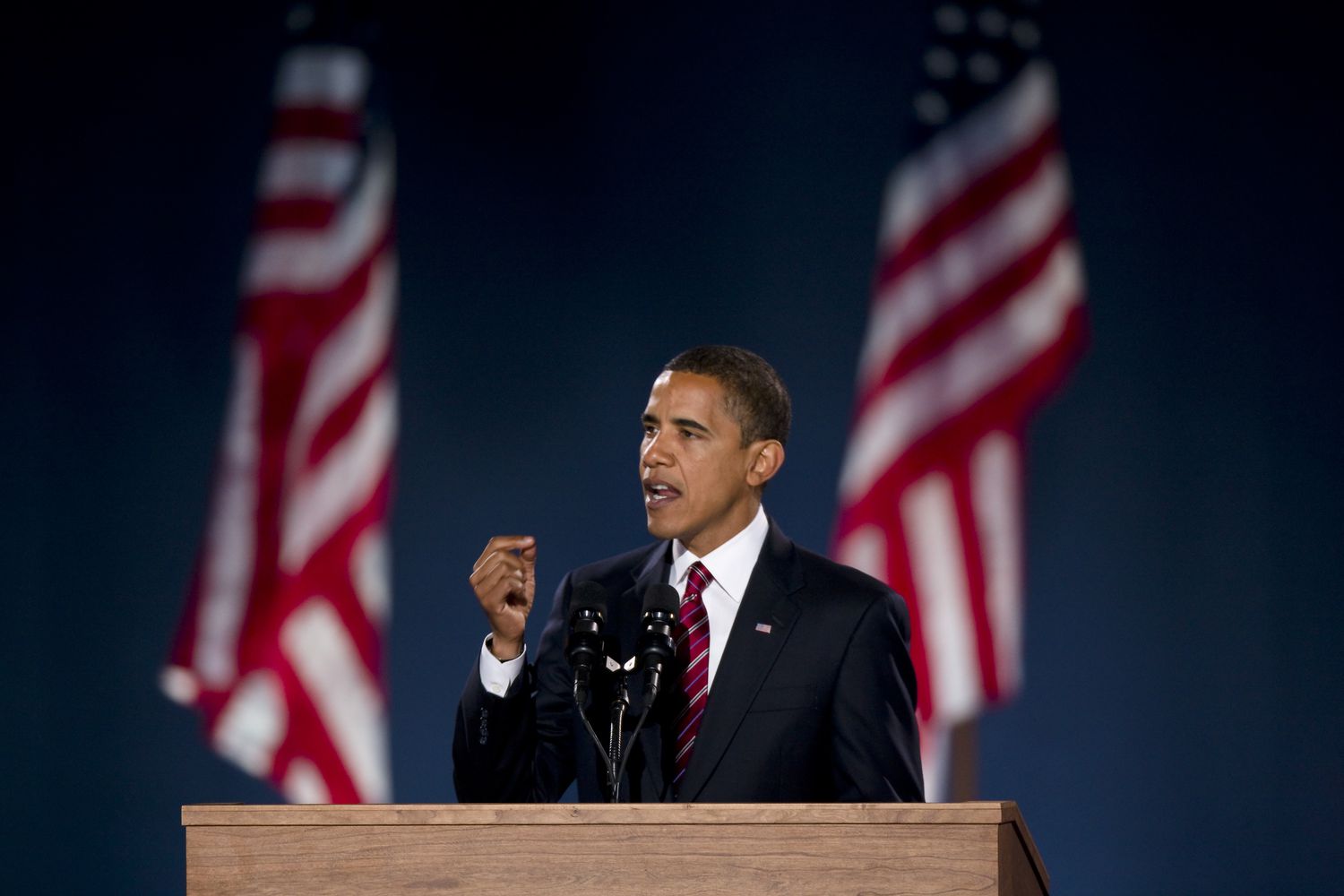
On November 4, 2008, the election of Barack Obama to the presidency of the United States marked a historic and symbolic moment. As the first African American president, he embodied a massive hope for change for millions of people in the United States and around the world, especially within Black and marginalized communities. His rise to power promised a renewal in the struggle for social justice, racial equality, and economic progress. Yet, in light of his two terms in office, Obama’s record remains complex, tinged with major unfulfilled promises and policies that sometimes disappointed those who had placed their hopes in him.
In terms of racial justice, Obama inherited an America deeply divided and confronted with persistent police violence and structural discrimination. Although he addressed these issues in his speeches, his concrete responses, often judged as timid, disappointed a large segment of the African American community. The Black Lives Matter movement, which took root during his presidency, highlighted the limits of his centrist approach to racial injustice. Many had hoped he would launch sweeping reforms to reshape the criminal justice system and policing, but his efforts were hindered by political compromises and a caution that prevented real transformation.
On the international stage, Obama was also criticized for a foreign policy that, far from the ideals of peace that earned him the Nobel Prize, followed an interventionist continuity. The expansion of drone strikes in the Middle East and Africa, often indiscriminate and causing significant civilian casualties, was seen by many observers as an extension of the war strategies of his predecessors. In Africa, the continent of his roots, Obama initially generated great enthusiasm, but his actions remained limited and symbolic, shaped more by strategic priorities than by genuine commitment to development or the security of local populations.
Beyond specific criticisms, Barack Obama’s record illustrates the contradictions between ambitious rhetoric and the limits of institutional power. Balancing a desire for transformation with the political imperatives of Washington, Obama appeared to his detractors as an overly cautious president, sometimes trapped in paralyzing compromises. While his ascent remains a major symbolic victory, it raises questions about the expectations placed upon him and the institutional barriers that hinder change.
November 4, 2020: The Tigray conflict in Ethiopia
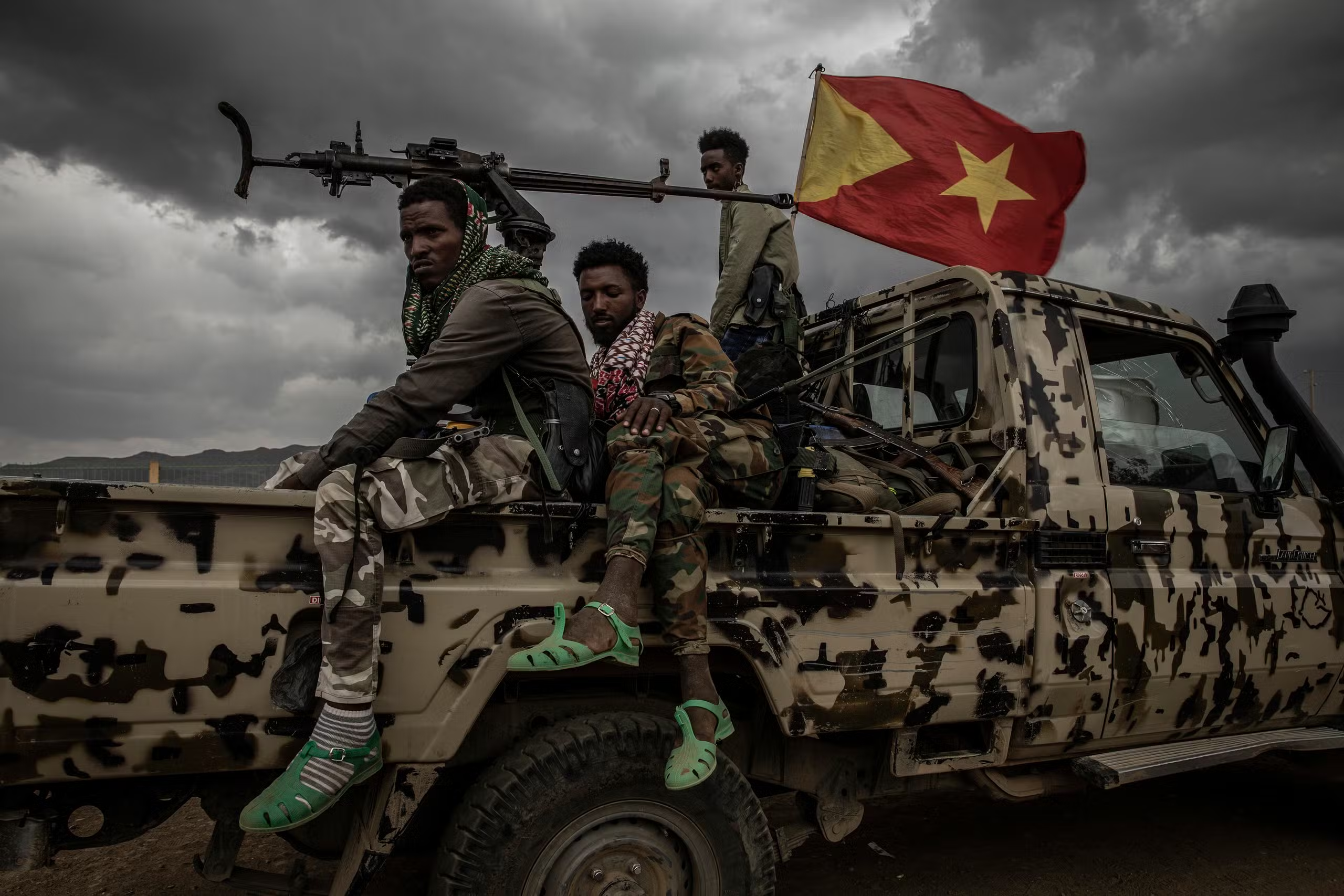
On November 4, 2020, Ethiopia plunged into an armed conflict of unprecedented scale in the Tigray region. The federal government, led by Prime Minister Abiy Ahmed, launched a military offensive against the Tigray People’s Liberation Front (TPLF) after a series of escalating tensions with regional authorities. This conflict, beyond immediate political stakes, revealed the ethnic and historical fractures that mark Ethiopian society, confronting the country with its contradictions and the demands of its populations.
The Tigray region, historically influential in Ethiopian politics, saw its power weakened after Abiy Ahmed’s rise in 2018. A former member of the TPLF, Abiy initiated reforms aimed at recentralizing power around a strong federal state, provoking resistance among Tigrayan elites attached to broad autonomy. These divergences culminated in a rupture when the TPLF organized regional elections despite the postponement decreed by the central government due to the COVID-19 pandemic, an act of defiance perceived by Addis Ababa as a threat to national unity.
But the conflict is not limited to institutional dimensions. It embodies an ethnic antagonism between Tigrayans and the rest of the Ethiopian population, exacerbating a sense of marginalization. The clashes, marked by extreme violence and massive civilian displacement, question Ethiopia’s ability to remain a unified federal state while responding to the aspirations of its diverse communities. Tigray, a bastion of resistance, thus became the stage of a struggle for the cultural and political survival of its inhabitants.
November 4, 1922: Discovery of Tutankhamun’s tomb
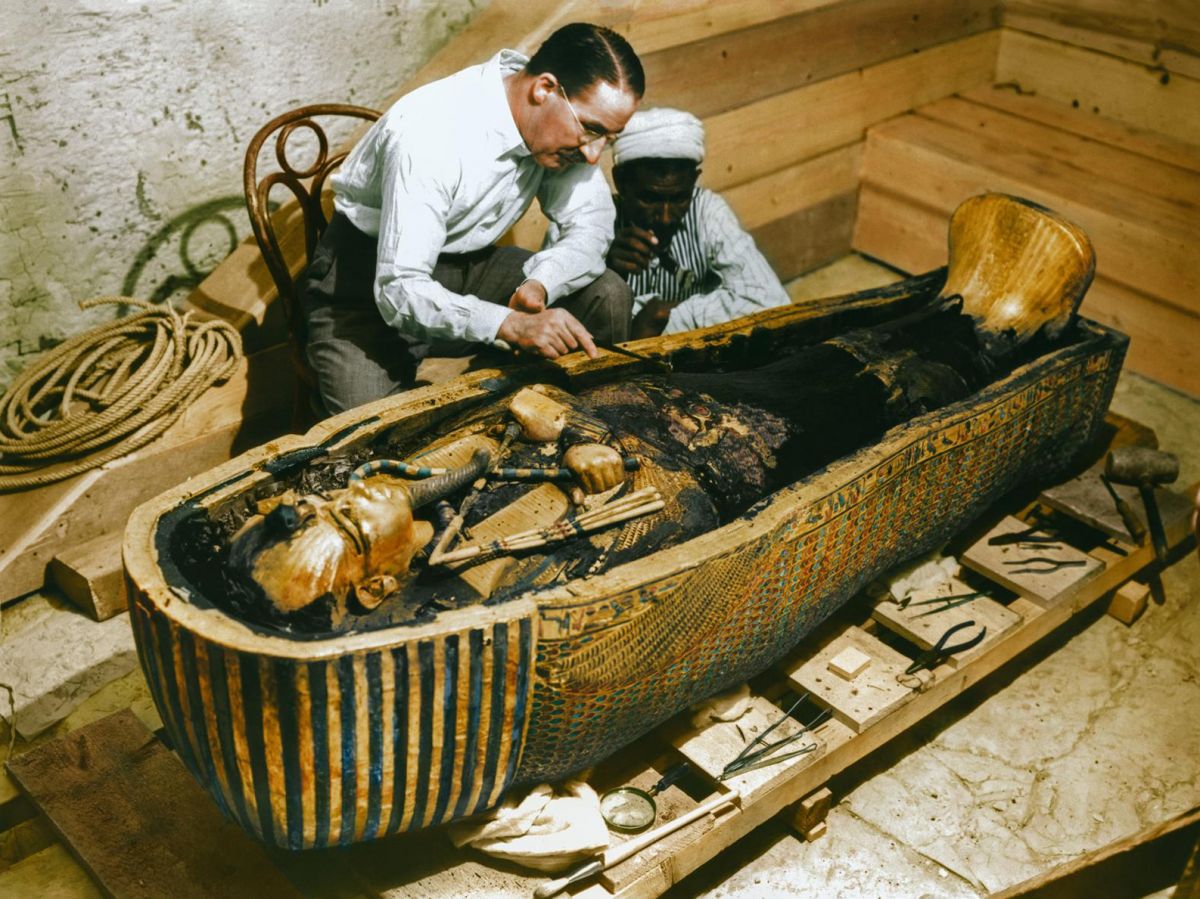
On November 4, 1922, British archaeologist Howard Carter made an unexpected discovery in the Valley of the Kings: the intact tomb of Tutankhamun, a little-known pharaoh of Egypt’s Eighteenth Dynasty. Behind the unbroken seal of the doorway, Carter uncovered unparalleled wealth, fabulous treasures that illuminated the remnants of Egypt’s ancient past. Preserved from looters and time, this treasure revealed to the astonished eyes of the world the splendor of an African civilization that shaped universal history.
This discovery is not limited to artistic wonders or the mystical aura of the young pharaoh, who died at only 19 years old. It above all illustrates the sophistication of a complex funerary science, an art of preservation and symbolism reflecting the Egyptian belief in the immortality of the soul. The gold, alabaster, ebony, and precious stones used in the ornaments and artifacts of the tomb testify to the technological and cultural advancement of a civilization then at its peak.
Yet while the West celebrates this find as a “discovery,” it also raises questions about the preservation of African heritage. For a long time, the treasures of ancient Egypt were excavated, removed, and displayed in European museums, symbolizing a form of cultural plunder. Tutankhamun thus embodies, beyond his royal glory, a reminder of Africa’s fundamental contributions to the history of humanity, often ignored and relegated in Western narratives.
Emblematic figures (except P. Diddy)
November 4, 1933: Birth of Emeka Odumegwu Ojukwu, president of Biafra
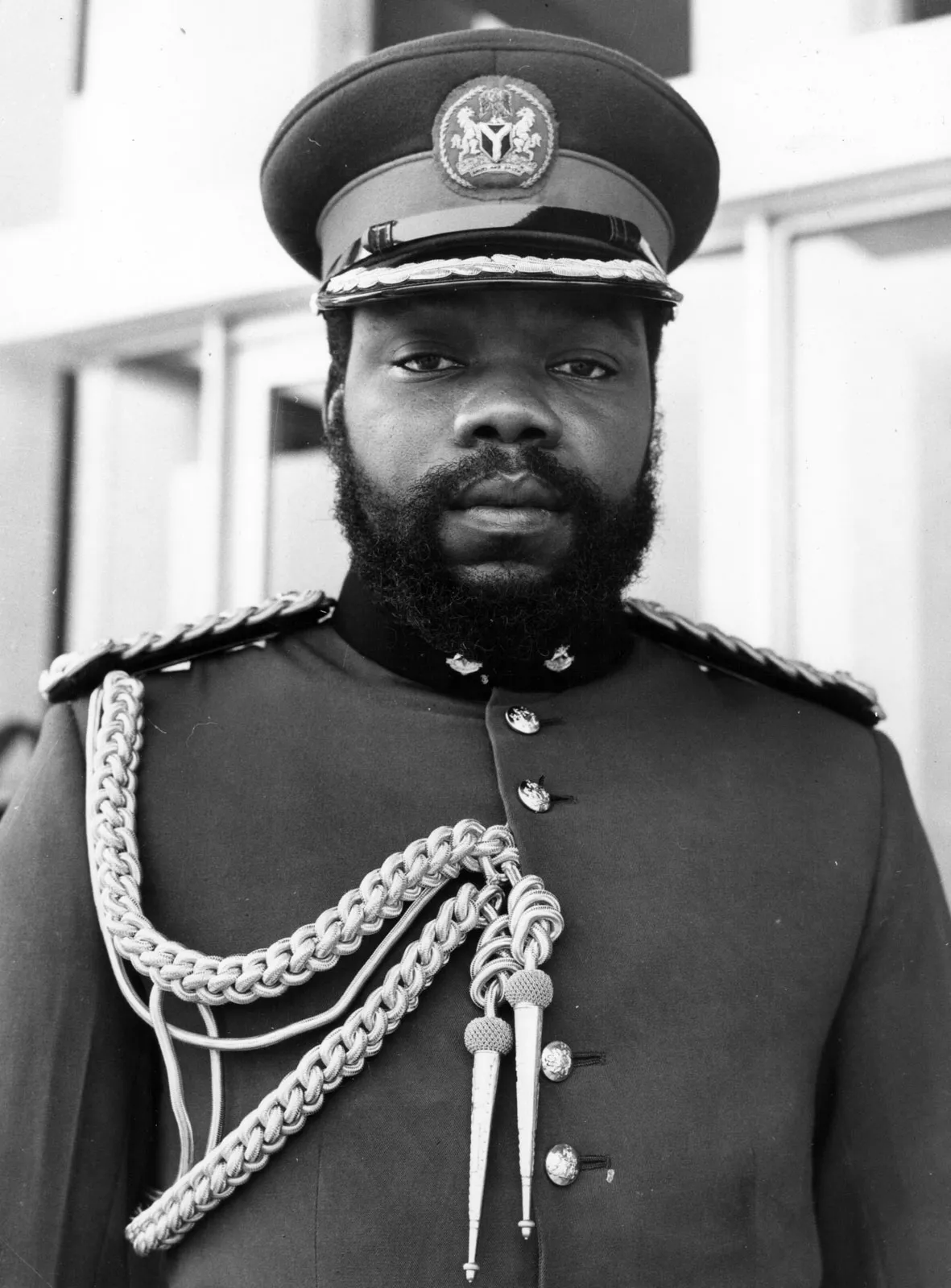
Born on November 4, 1933, in Zungeru, Nigeria, Emeka Odumegwu Ojukwu is a major figure in Nigerian history as the leader of Biafra. From an influential family, Ojukwu studied in England before joining the Nigerian army, where he quickly rose through the ranks. In 1966, amid growing ethnic tensions, he was appointed military governor of the Eastern Region, an area predominantly inhabited by the Igbo people.
In 1967, in the face of anti-Igbo violence and Nigeria’s political instability, Ojukwu proclaimed the independence of the Eastern Region under the name Republic of Biafra, marking the beginning of the Nigerian Civil War, also known as the Biafran War. This conflict, which lasted nearly three years, devastated the region and claimed millions of lives, particularly due to famine and intense fighting.
Ojukwu was not only a war leader; he also embodied the hope of a people seeking justice and recognition. After Biafra’s defeat in 1970, he went into exile in Côte d’Ivoire, where he remained until his return to Nigeria in the 1980s. Until his death in 2011, Ojukwu remained a complex symbol of the struggle for autonomy and emancipation of oppressed peoples in Nigeria, his name evoking both determination and the scars of a country torn by ethnic conflict.
November 4, 1969: Birth of Sean Combs
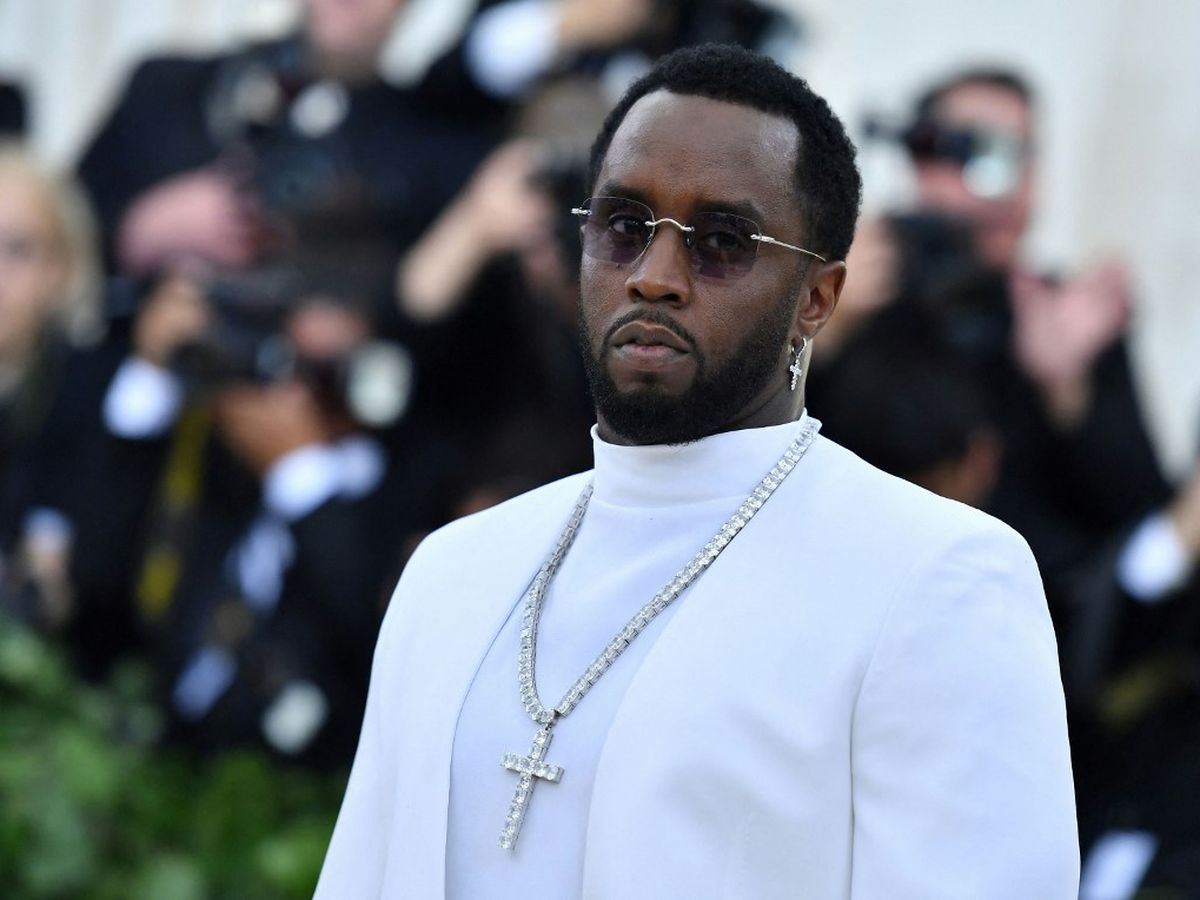
Born on November 4, 1969, Sean Combs, known by the pseudonyms Puff Daddy, P. Diddy, and Diddy, is an emblematic figure of hip-hop and American pop culture. Founder of Bad Boy Records, he propelled legendary artists such as The Notorious B.I.G. and Mary J. Blige to the top, marking the 1990s with distinctive sounds and entrepreneurial flair. In parallel, Combs also left his mark in fashion with his brand Sean John, becoming a symbol of success in African American culture.
However, this image of success is now tarnished by a series of legal cases that threaten to reduce his artistic and entrepreneurial legacy to dust. Since the 1990s, Combs has faced recurring accusations of sexual misconduct and physical violence. In 2023, his former partner Cassie Ventura filed a lawsuit for rape, physical abuse, and harassment, before a settlement was quickly reached. But this agreement only paved the way for a cascade of similar lawsuits. Indeed, other complainants, anonymous or known, came forward to denounce alleged abuses at Combs’s hands, revealing a pattern of alleged misconduct spanning several decades.
The situation took a dramatic turn in 2024 with a federal raid on his residences and his arrest on charges of sex trafficking and racketeering. Court documents reveal serious allegations that Combs drugged, assaulted, and intimidated victims, men and women, including minors. His critics accuse him not only of orchestrating assaults but also of surrounding himself with silent accomplices within his entourage.
The industry’s response was swift: business partners such as Macy’s, Peloton, and Hulu cut ties with Combs, and his collaborations were gradually removed from streaming platforms. Some artists, from Kesha to the Jonas Brothers, even altered song lyrics to omit any reference to him, marking a public rejection of his image.
The Combs case continues to spark debate about the complexity of influence and power in the entertainment industry, and about the protections that should surround alleged victims of abuse. The outcome of his trials remains uncertain, but the weight of the allegations delivers a severe blow to the legacy of a once-adored figure, whose shadow now looms over the world of hip-hop and beyond.
November 4, 2007: Death of Cyprian Ekwensi, Nigerian writer
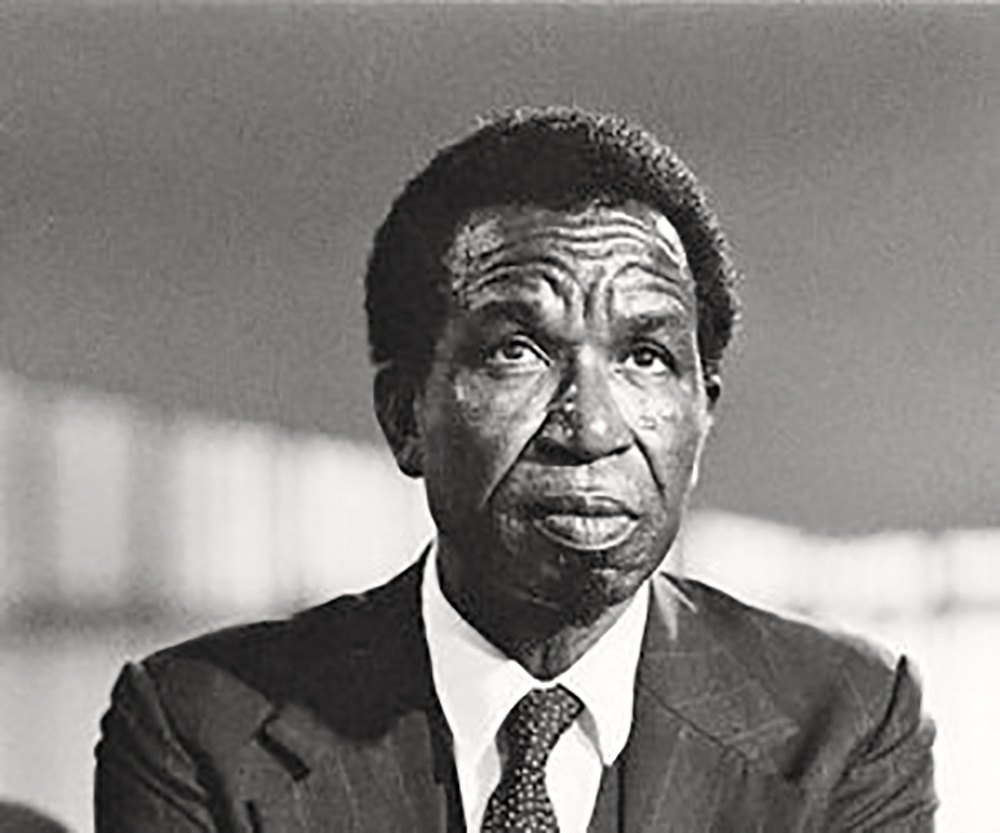
On November 4, 2007, Nigeria lost one of its most influential literary voices with the passing of Cyprian Ekwensi, a tireless writer and storyteller. Born in 1921, Ekwensi rose to prominence in the 1950s with stories that explored the challenges and nuances of Nigerian urban life. Unlike his contemporaries, who often focused on rural themes or traditional legends, Ekwensi chose the alleys, markets, and bustling neighborhoods of Lagos as his setting. His works, such as People of the City and Jagua Nana, reveal with striking realism the complexities of post-colonial Nigerian society, marked by the hopes and disillusionments of independence.
With a direct and accessible style, Ekwensi painted powerful portraits of ordinary city dwellers: men and women in search of stability, but also of escape, in a rapidly changing world. The writer tackled head-on themes such as social injustice, morality, and the quest for identity, drawing an incisive picture of the human condition in a fast-evolving Nigeria. Cyprian Ekwensi remains a pioneer of modern African literature, whose pen immortalized the voices of those who, in the shadows of great cities, seek a balance between tradition and modernity.
Table of contents
Major events
November 4, 2008: Election of Barack Obama to the presidency of the United States
November 4, 2020: The Tigray conflict in Ethiopia
November 4, 1922: Discovery of Tutankhamun’s tomb
Emblematic figures (except P. Diddy)
November 4, 1933: Birth of Emeka Odumegwu Ojukwu, president of Biafra
November 4, 1969: Birth of Sean Combs
November 4, 2007: Death of Cyprian Ekwensi, Nigerian writer
References
Gates Jr., Henry Louis. The Trials of Barack Obama. Penguin Books, 2017.
Gebrekidan, Solomon. The Ethiopian Crisis: A Modern Perspective on the Tigray Conflict. African Studies Review, 2021.
Reeves, Nicholas. The Complete Tutankhamun: The King, the Tomb, the Royal Treasure. Thames & Hudson, 1990.
Forsyth, Frederick. The Biafra Story: The Making of an African Legend. Pen & Sword, 2001.
Achebe, Chinua. There Was a Country: A Personal History of Biafra. Penguin Books, 2012.
Ekwensi, Cyprian. Jagua Nana. Heinemann African Writers Series, 1961.


