

Martin Luther King’s “I Have a Dream” speech changed the course of history. Discover why this message still resonates today.
On August 28, 1963, during the March on Washington for Jobs and Freedom, Martin Luther King Jr. delivered a speech that would forever mark the history of the United States: “I Have a Dream.” This speech, which became one of the most famous declarations of the civil rights movement, is both a reflection on American history and a passionate call for equality and justice. Before more than 250,000 people gathered at the foot of the Lincoln Memorial, King, with striking eloquence, articulated a vision of a future in which Americans would live in harmony, freed from the chains of racism.
Why Martin Luther King’s ‘I Have a Dream’ Speech Changed America
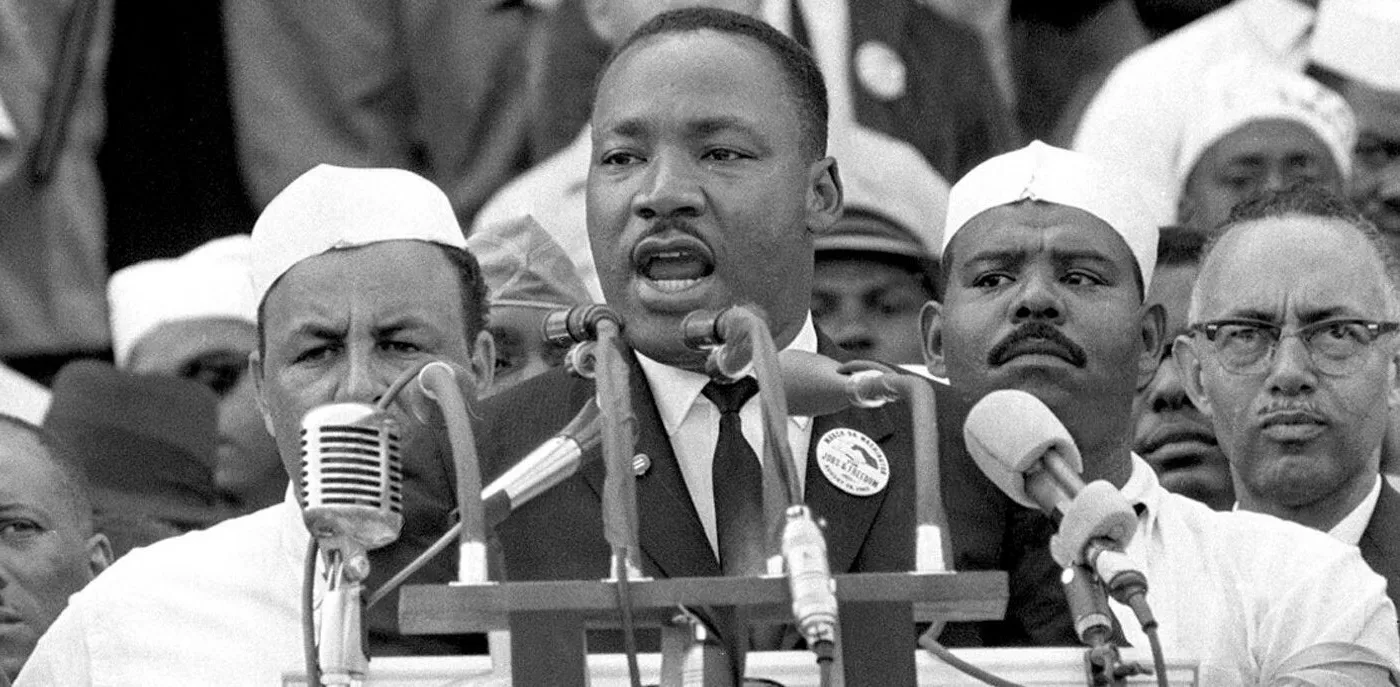
King’s speech came at a time of extreme tension in the United States, where African Americans were still widely subjected to segregation and discrimination. Although the Emancipation Proclamation had been signed by Abraham Lincoln in 1863, theoretically ending slavery, African Americans continued to be marginalized, particularly in the South. The 1950s and 1960s saw the rise of a powerful civil rights movement led by figures such as Martin Luther King, who advocated nonviolent resistance to achieve legislative and societal change. The March on Washington aimed to support the civil rights bill proposed by the Kennedy administration and to demonstrate in favor of economic and racial equality.
The Secrets of a Powerful Call for Justice
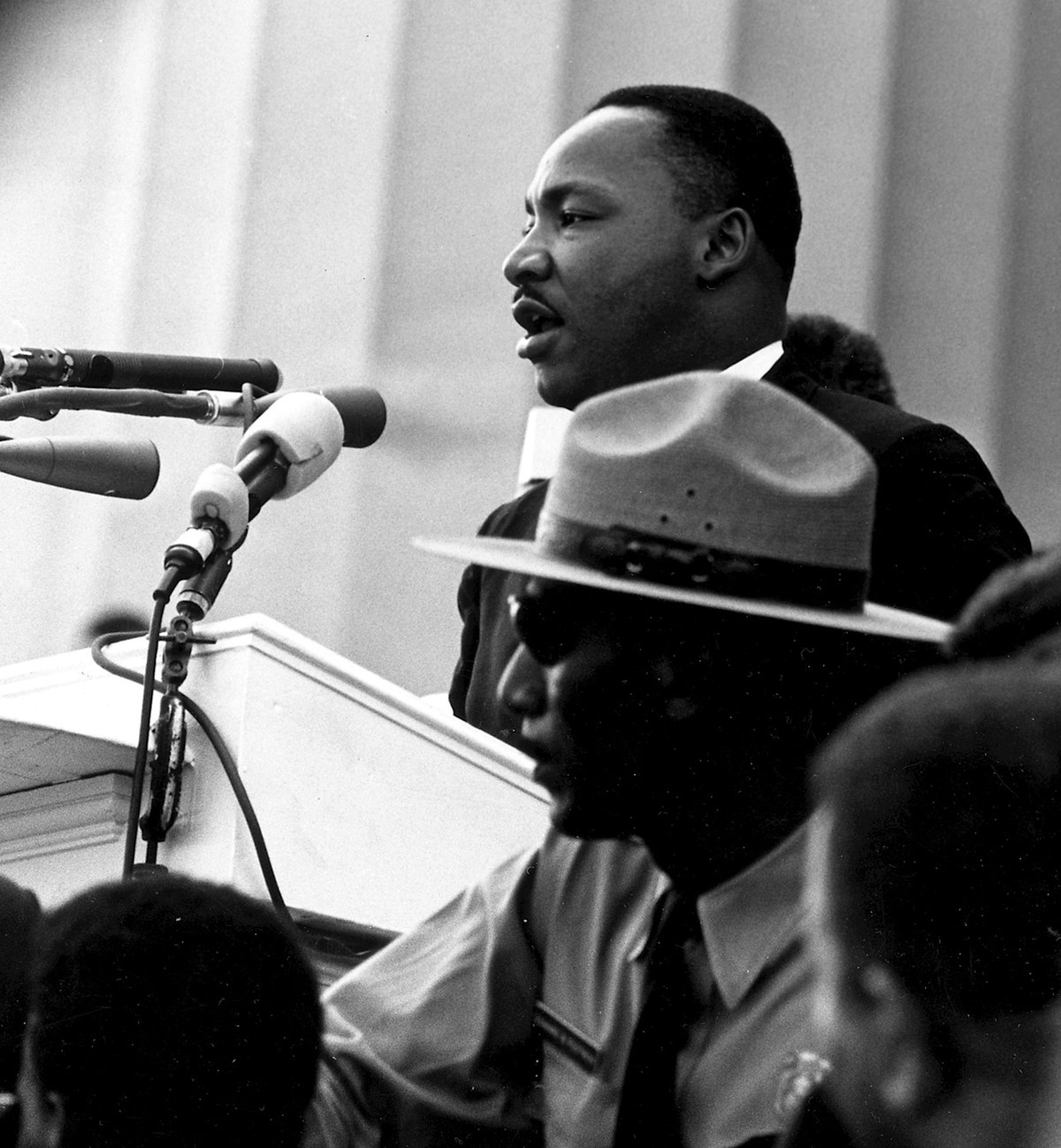
Martin Luther King’s speech stands out for its rhetorical structure and evocative power. It begins with a reference to the Emancipation Proclamation, highlighting the gap between the promises of freedom made one hundred years earlier and the oppressive reality experienced by African Americans in 1963. King then refers to the founding documents of the United States, such as the Declaration of Independence and the Constitution, reminding the nation that these texts promised freedom and equality to all citizens — a promise not fulfilled for Black Americans.
The strength of the speech lies in the section where King abandons his prepared notes to improvise an anaphora, repeating “I have a dream” to evoke a vision of a better future. This repetition gives the speech an almost incantatory rhythm, powerfully reinforcing its message. Through this anaphora, King paints a portrait of America as it should be: a country where children of all races can play together, where justice and fairness prevail, and where citizens are judged not by the color of their skin, but by the content of their character.
How ‘I Have a Dream’ Revolutionized Civil Rights
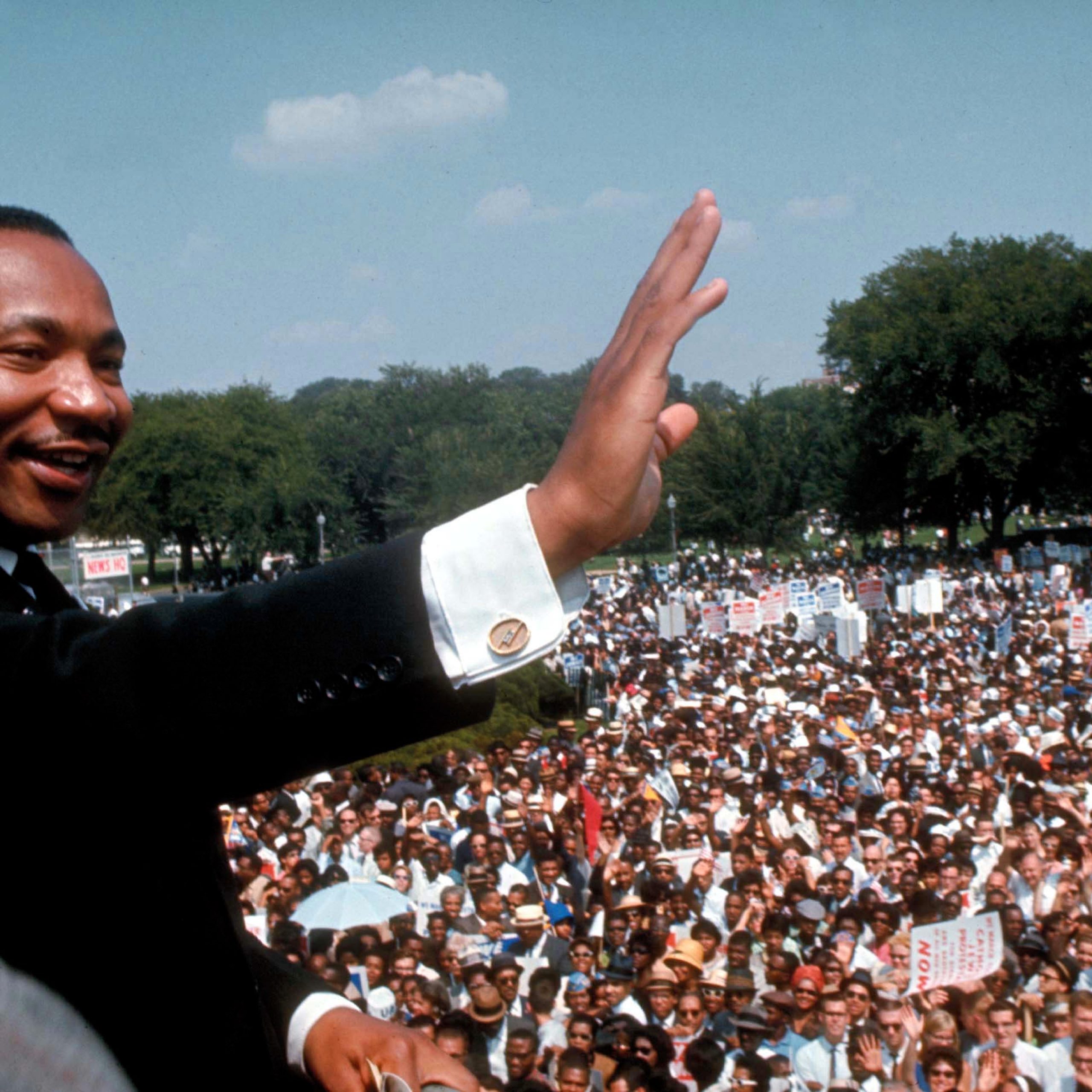
“I Have a Dream” had an immediate and lasting impact. The speech galvanized the civil rights movement, strengthening support for the passage of the Civil Rights Act of 1964 and the Voting Rights Act of 1965, which ended legal segregation and protected the voting rights of African Americans. Martin Luther King became an iconic figure in the struggle for civil rights, and his speech continues to inspire millions of people around the world.
Despite its positive impact, the speech was not universally praised at the time. Part of the American public still viewed King as an extremist, and his demands for equality were considered “excessive” by some. Nevertheless, the eloquence and vision expressed in “I Have a Dream” have endured through the decades, making this speech a central part of the moral and cultural heritage of the United States.
The Immortal Words of Martin Luther King in Full
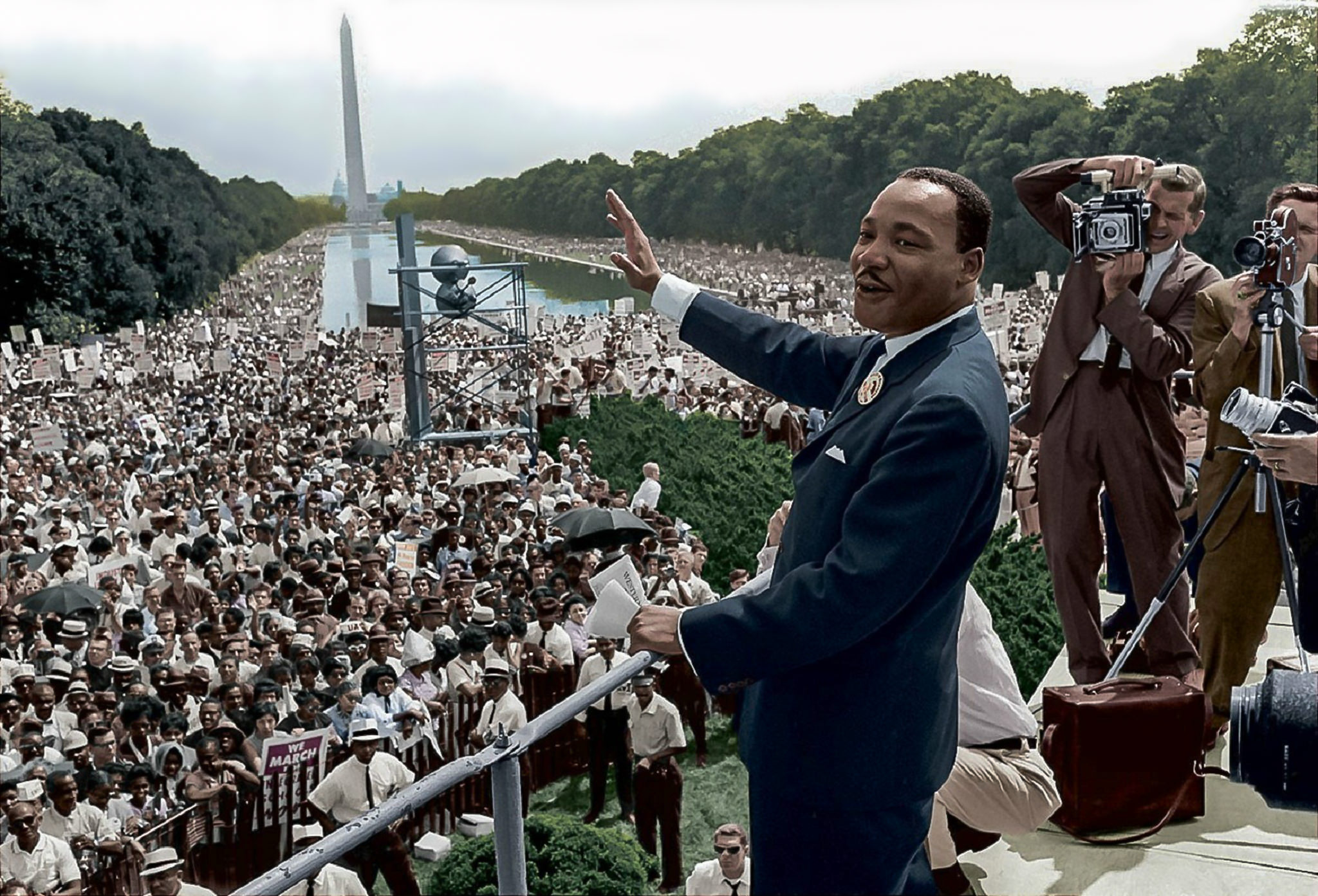
“I am happy to join with you today in what will go down in history as the greatest demonstration for freedom in the history of our nation.
Five score years ago, a great American, in whose symbolic shadow we stand today, signed the Emancipation Proclamation. This momentous decree came as a great beacon light of hope to millions of enslaved people who had been seared in the flames of withering injustice. It came as a joyous daybreak to end the long night of their captivity.
But one hundred years later, the Negro still is not free. One hundred years later, the life of the Negro is still sadly crippled by the manacles of segregation and the chains of discrimination. One hundred years later, the

