

A striking analysis of Kirikou and the Sorceress, in which we explore the complex history of Karaba the Sorceress. Nofi offers a deep and thoughtful interpretation of the symbolism of rape in this emblematic African tale, providing a new perspective on a classic character.
Introduction to the world of Kirikou and the Sorceress
African folktales are like hidden treasures, filled with important lessons and wisdom. They are timeless, meaning they can be enjoyed by everyone, regardless of age or era. Kirikou and the Sorceress¹, an animated film inspired by a West African folktale, is a perfect example of this richness.
This film, created by Michel Ocelot in 1998, tells the extraordinary story of Kirikou, a very clever little boy who saves his village from the sorceress Karaba. Karaba is known for her cruelty and her power to turn men into fetishes. Most people who watch the film simply see a gripping story of courage and adventure. But some, like journalist Gilles Ciment² and psychologist Véronique Cormon³, see something deeper: a story that may symbolize very serious issues such as rape and the abuse of women.
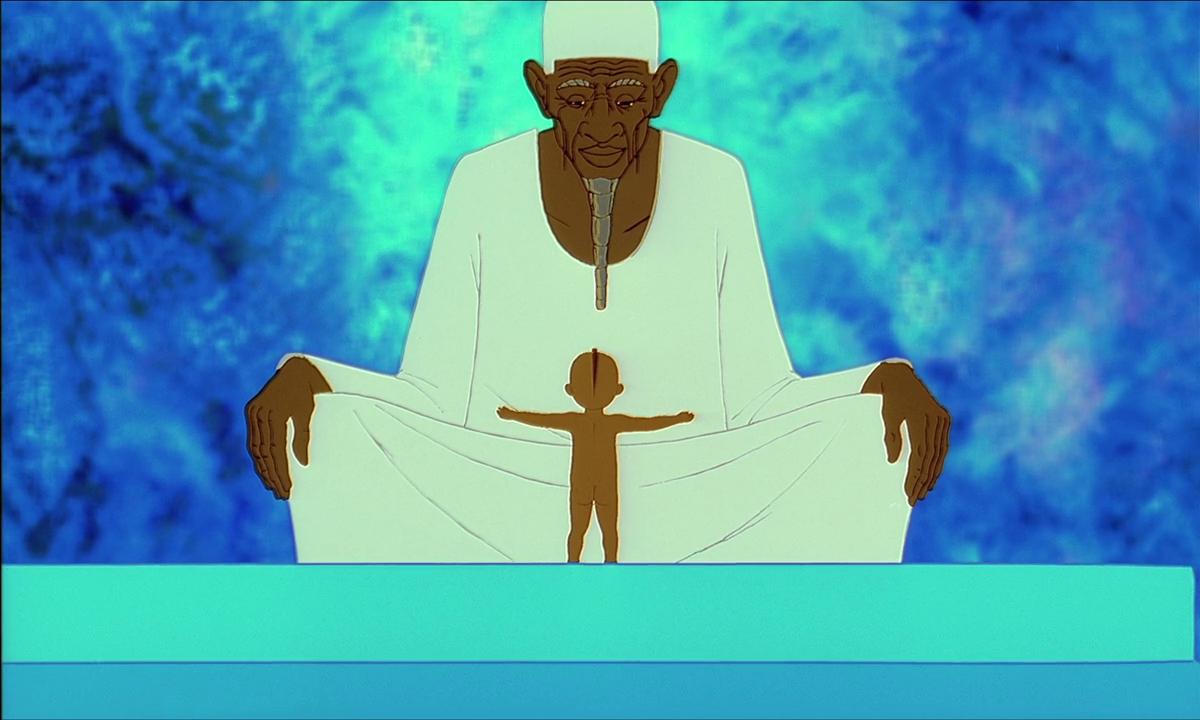
This idea may seem surprising at first, but it becomes meaningful when one thinks about it carefully. Remember the answer given by Kirikou’s wise grandfather when the child asks him, “Why is Karaba the Sorceress so wicked?” He speaks of a thorn driven into Karaba’s back by men, causing her unbearable pain and completely changing her behavior. Could this thorn represent something more than what we see?
Before going further into the analysis of this complex character, it is important to note that “Karaba” in Bambara means “to force someone,” “to compel,” “to constrain.” This definition immediately sheds light on certain aspects of the sorceress’s character and her interactions with others.
Karaba the Sorceress: a metaphor for pain and resilience
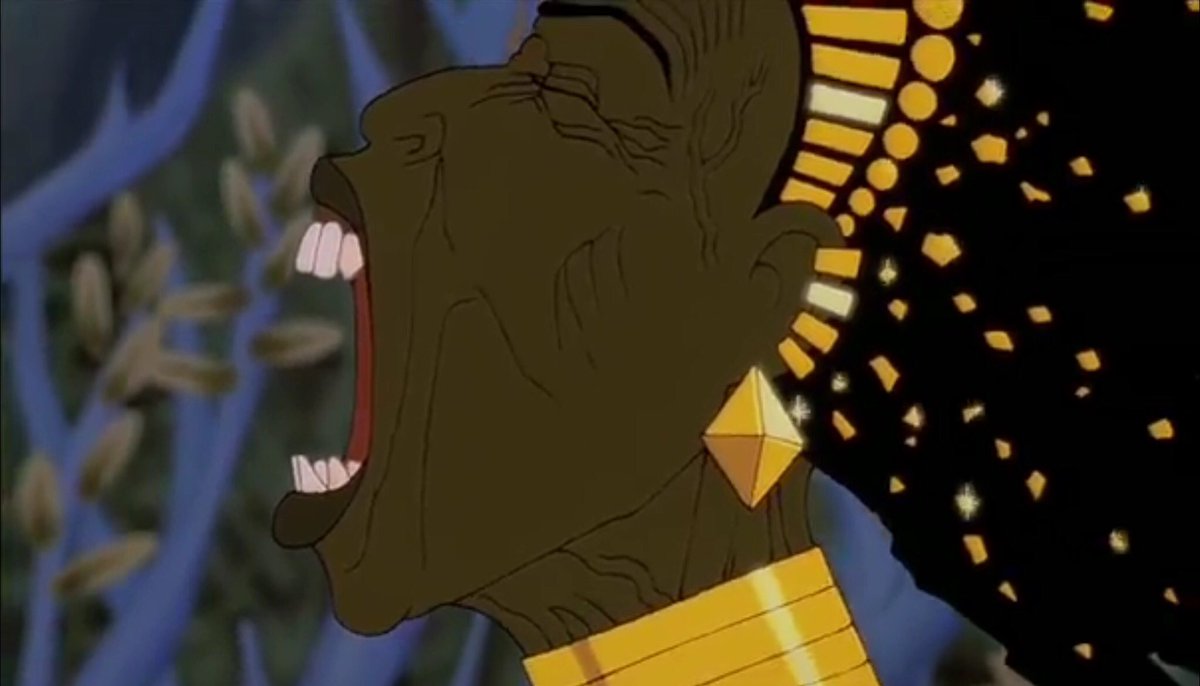
According to Véronique Cormon, an expert psychotherapist, Karaba the Sorceress is not just a witch in a fairy tale—she represents something much deeper. Karaba is described as a deeply wounded woman who has suffered a severe trauma:
“Karaba is a wounded woman, a victim of trauma in the etymological sense, a victim of a breach of the skin, of a rupture in her bodily envelope.”
— Véronique Cormon, “Rape and Metamorphosis,” published in the International Journal of Victimology (Volume 1, Issue 1 – October 2002)
Imagine a person who has been hurt so badly that she is completely changed. It is like someone with a huge splinter lodged in their body, causing constant pain.
Véronique Cormon compares Karaba to many victims of rape. She explains that, as in real life, Karaba blames all men for what happened to her. She can no longer see them the way she did before. It is as if, after being injured, she can no longer trust anyone.
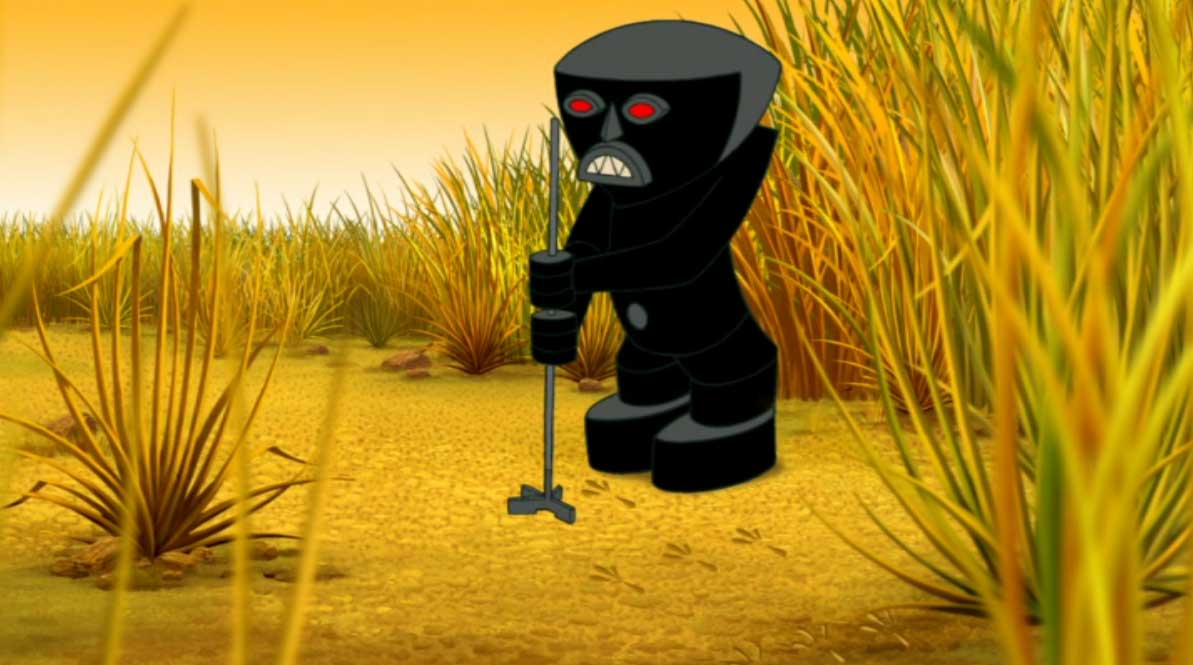
Karaba never speaks about her past. For rape survivors, talking about what they went through can be extremely painful—it is as if speaking brings the suffering back to life. Karaba the Sorceress has also built a barrier around herself, rejecting joy and love, which is often the case for people who have been deeply wounded.
The psychotherapist also notes that Karaba, by becoming evil, has adopted some of the traits of those who hurt her. This is a complex defense mechanism in which the victim begins to resemble the aggressor. It is as if, in trying to protect herself, she becomes what she feared most.
Finally, Karaba surrounds herself with men turned into fetishes, whom she can control. This could symbolize the need to regain control after having been powerless in a traumatic situation.
Deepening this metaphor, Michel Ocelot, the creator of the film, explains on his website:
“The poisoned thorn in Karaba’s back is a symbol. It represents the harm that men do to women, and a suffering that does not go away.”
This interpretation reinforces the idea that Karaba embodies not only a victim of male cruelty but also a figure of enduring pain.
Kirikou and transformation: a symbol of healing and understanding
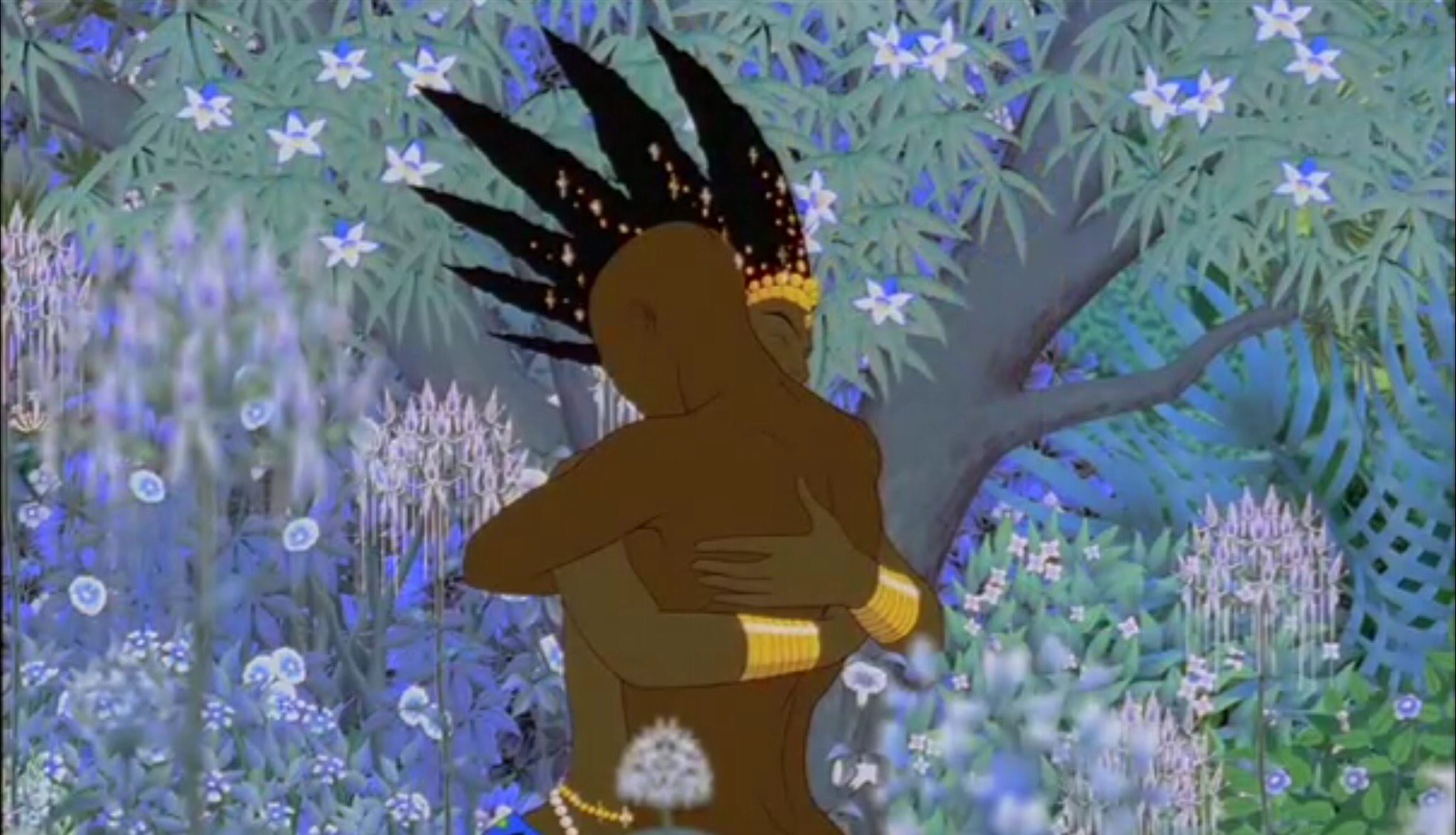
Gilles Ciment, an expert in narrative analysis, offers a unique perspective on Karaba’s story in Kirikou and the Sorceress. He suggests that Karaba’s story can be interpreted as a symbol of a gang rape, a tragic and deeply traumatic event. It is a serious and profound idea that makes us see the film in an entirely different light:
“The telling of this episode will allow adults to interpret her assault as a particularly traumatic gang rape. It is only after removing the thorn from the sorceress’s back that Kirikou suddenly grows up and reaches the age of uniting with Karaba—the child becomes a man and gains his virility by redeeming the evil that other men committed with theirs (…)”
— Review of Kirikou and the Sorceress by Gilles Ciment, published in Positif, No. 455, January 1999.
According to Ciment, the moment when Kirikou removes the thorn from Karaba’s back is crucial. At that instant, Kirikou, the young hero of the film, suddenly grows and becomes a man. It is as if, by helping Karaba, Kirikou matures and gains a deeper understanding of the world around him. He does not just save Karaba from physical pain—he also helps her heal from her inner wounds.
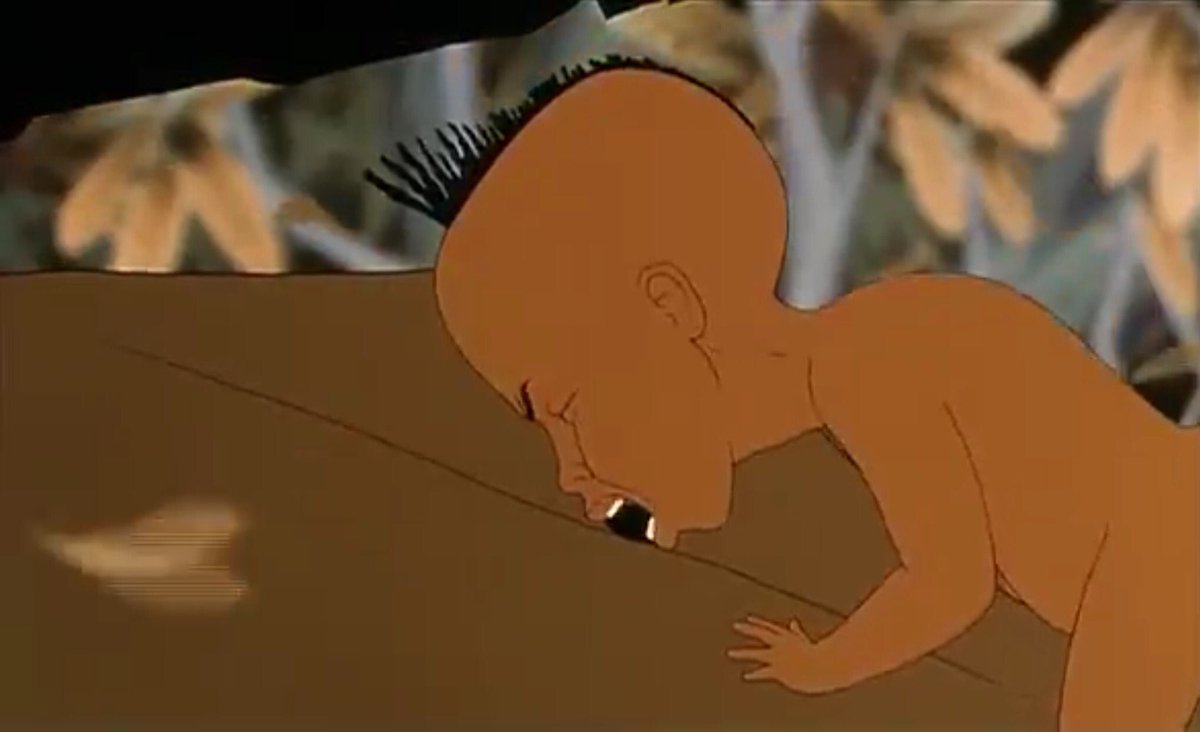
This part of the story highlights the importance of understanding the reasons behind people’s actions, especially when they have been hurt. Kirikou seeks to understand why Karaba is so cruel, and it is by discovering her suffering that he is able to help her heal. It is a powerful message about empathy and healing.
The article also emphasizes the importance of raising awareness about the suffering of rape victims, a sadly persistent reality in the world, particularly in Africa through wartime rape. Denis Mukwege, nicknamed *“the man who repairs women”*⁴, reminds us that behind every victim there is a person with a story and a family:
“Every woman who has been raped, I identify with my wife; every mother who has been raped with my mother, and every child who has been raped with my children.”
— “Denis Mukwege, Sakharov Prize laureate: ‘women’s bodies have become a true battlefield’,” November 26, 2014.
Understanding and healing through storytelling
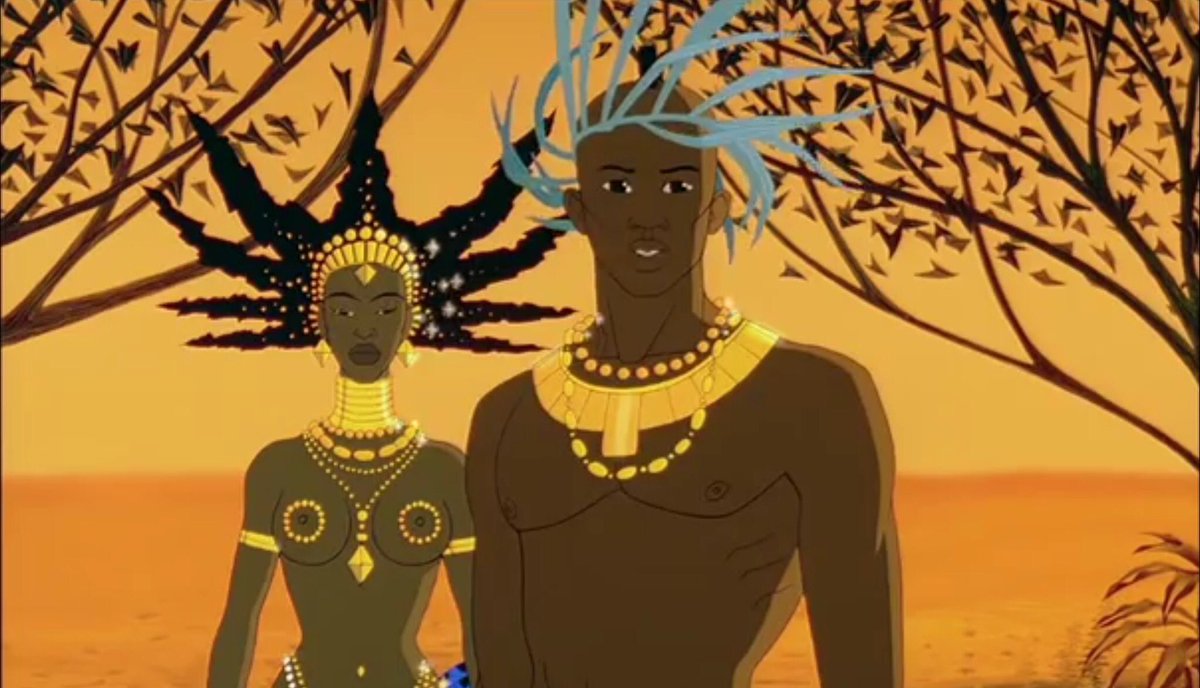
By exploring the different interpretations of Kirikou and the Sorceress, we discover how a simple tale can open the door to discussions about deep and sensitive issues. Karaba’s story, seen through the eyes of specialists like Véronique Cormon and Gilles Ciment, reveals that behind a fairy-tale character there sometimes lies a powerful metaphor for pain, trauma, and also healing.
This film, far more than a children’s story, invites us to look beyond appearances and to try to understand the reasons behind people’s actions, especially when they have been hurt. Through his courage and his desire to understand, Kirikou teaches us the importance of empathy and support in helping others to heal.
We hope this article will raise awareness among our readers about harsh realities such as violence against women, and encourage everyone to adopt a more understanding and compassionate attitude toward victims of trauma.
Ultimately, Kirikou and the Sorceress shows us that stories, though fictional, can be powerful tools for understanding the real world and for helping us build a more empathetic and healed future.
Notes and References
- Kirikou and the Sorceress: Franco-Belgian-Luxembourgish animated film directed by Michel Ocelot, released in 1998. Based on a traditional West African folktale, it tells the story of Kirikou, a heroic child who saves his village from the sorceress Karaba.
- Gilles Ciment: Journalist and film critic, specializing in the analysis of animated films and their cultural and social impact.
- Véronique Cormon: French psychologist and psychotherapist, known for her work on psychological trauma and its representation in media and popular culture.
- Denis Mukwege: Congolese doctor, winner of the 2018 Nobel Peace Prize, nicknamed “the man who repairs women” for his work with victims of sexual violence in the Democratic Republic of Congo.


