

Explore the fascinating history of the Malagasy, considered the first Afro-Asian mixed people, the result of a unique blend of Indonesian and African cultures.
The term “blasian,” referring to the mixing of Black and Asian people, is often perceived as a modern phenomenon or even a current trend. However, this cultural and genetic blending has deep historical roots, dating back nearly 1,200 years on the island of Madagascar. There, the descendants of Indonesian migrants intermingled with Black populations from East Africa, thus creating one of the earliest known Afro-Asian mixed communities in history.
The popularity of Afro-Asian mixing has been propelled into the media spotlight by celebrities such as Tiger Woods, Naomi Campbell, Tyson Beckford, as well as figures like Jean Ping, Kimora Lee Simmons, Ne-Yo, and Amerie. This cultural blending, although perceived as a contemporary social phenomenon encouraging the emergence of many mixed couples, blogs, and online discussions, is in fact part of a far older and richer history.
Descendants of 15th-century chinese sailors in Kenya?
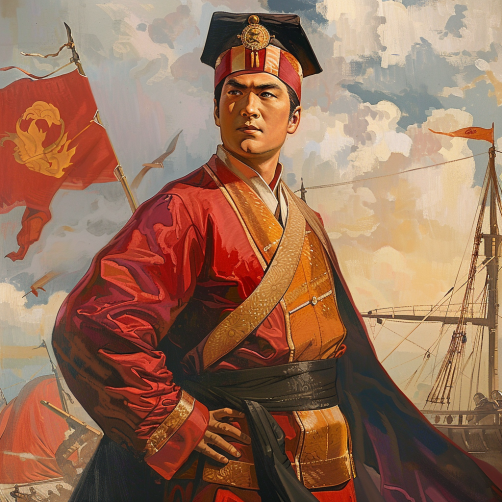
The fascinating history of the Kenyan islands of Pate and Lamu¹ reveals a little-known chapter of world history, where ocean waves wove unexpected links between Africa and Asia. According to research and traditional accounts, the current inhabitants of these islands may trace their ancestry back to Chinese sailors from the fleet of Admiral Zheng He², who sailed to East Africa in the 15th century. This hypothesis is supported by the oral traditions of local communities, who are distinguished by unique physical characteristics, such as slanted eyes and lighter skin pigmentation, suggesting a mixed heritage.
These sailors, intrepid explorers under the Ming dynasty³, are said to have established ties with local populations, giving rise to an Afro-Asian mixed generation. This intermixing, far from being superficial, became deeply rooted in the culture and identity of the island inhabitants, as evidenced by archaeological artifacts found in the region. The discovery of tombs and pottery whose style and craftsmanship recall those of 15th-century China offers material proof of these historical interactions.
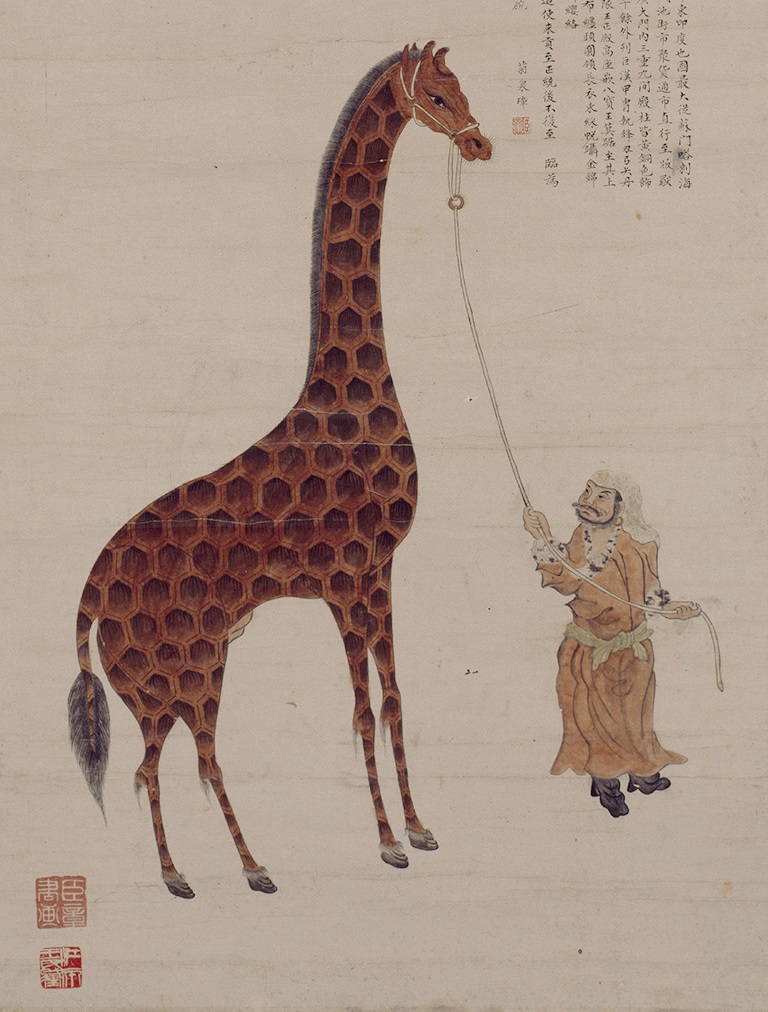
However, this fascinating theory continues to spark debate among historians and island residents. While some see in these material and oral sources a confirmation of their Sino-African heritage, others call for more scientific validation, notably through genetic analyses, in order to establish these transcontinental links beyond dispute.
The prospect of such a genetic study opens exciting possibilities for better understanding not only the history of these island communities but also the dynamics of migration and intermixing that have shaped human history. In the meantime, the story of the descendants of Chinese sailors in Kenya remains a captivating testament to the richness and complexity of cultural and human exchanges across the centuries.
The malagasy, the first ‘Blasian’ mixed people in history?
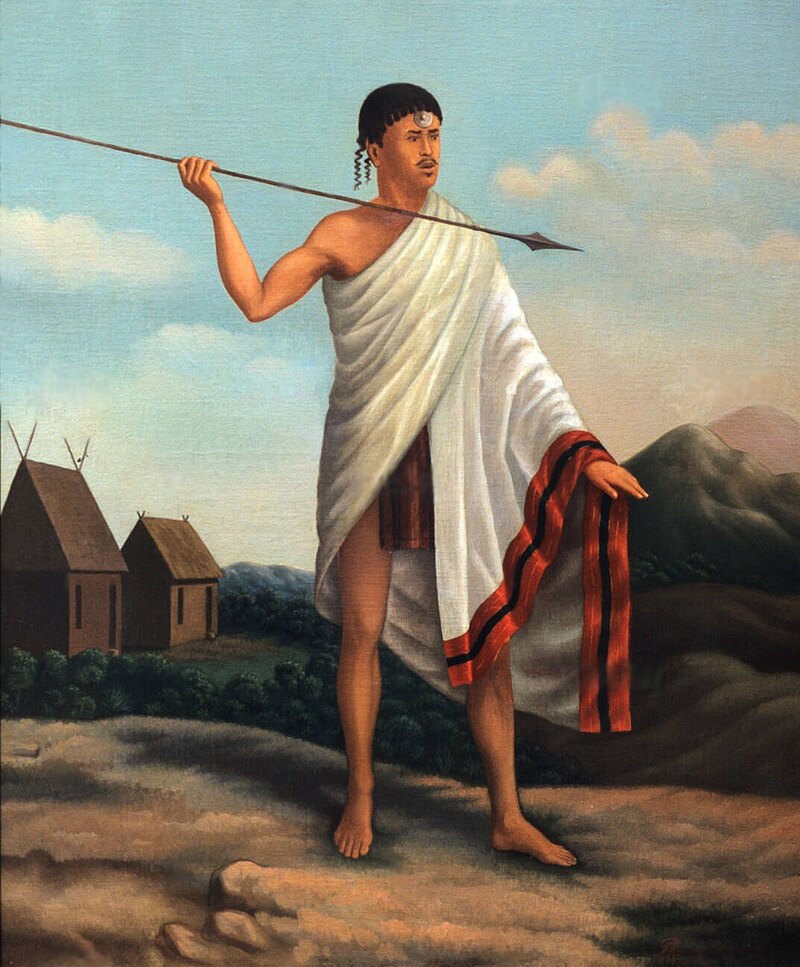
The Malagasy offer a fascinating example of the complexity of human migrations and cultural mixing. Madagascar, located southeast of Africa in the Indian Ocean, is a crucible of ethnic diversity, where African and Asian influences blend to create a unique culture.
In-depth research combining genetics, archaeology, and linguistics reveals that the Malagasy population primarily stems from the intermixing of Indonesian migrants from the Sriwijaya Empire⁴ (present-day Indonesia), who arrived around 830 AD, and populations of African origin, probably Bantu, from the eastern part of the continent. This encounter between peoples from different continents gave rise to a rich and diverse cultural identity characteristic of the island.
The first Indonesian migrants, mostly women according to some sources, played a key role in establishing the earliest communities on the island. Their arrival in Madagascar may have been preceded or followed by migrations of Polynesian populations, suggesting a settlement history even more complex and varied than previously thought.
The interaction between these Indonesian migrants and men of African origin created a unique mixed society, in which the traditions, languages, and genes of both continents became intertwined. This intermixing is visible in the physical features of the Malagasy, in their language—which draws from both Austronesian and Bantu vocabularies—as well as in their cultural and social practices.
The discovery of pottery, tools, and other archaeological artifacts on the island bears witness to this cultural fusion and to the ongoing exchange between Madagascar and the rest of the world. Genetic studies confirm this diversity, showing close links not only with Indonesia and Africa but also with regions as distant as India and the Middle East.
The history of the Malagasy illustrates the ability of human societies to adapt, to mix, and to create new identities from diverse influences. It challenges preconceived notions about cultural isolation and highlights the importance of migration in the formation of societies. As the first ‘blasian’ mixed people, the Malagasy represent a captivating chapter of human history, testifying to the richness and complexity of exchanges between peoples and cultures across the ages.
References
- Cox, Murray P., et al. (2012). “A small cohort of Island Southeast Asian women founded Madagascar.” This in-depth study explores the genetic origins of the Malagasy, highlighting the crucial role of female migrants from Island Southeast Asia in the formation of the island’s population. Genetic analysis reveals a unique blend of Asian and African lineages, underscoring the cultural and ethnic diversity of Madagascar.
- Conway-Smith, Erin (2011). “Searching at sea for an ancient Chinese ship off the African coast.” This article examines efforts to trace the remains of Chinese maritime expeditions to Africa, particularly those of Admiral Zheng He. The research sheds light on historical interactions between Africa and Asia, offering a fascinating perspective on cultural and commercial exchanges that took place long before the colonial era.
- Pate and Lamu: Islands located off the east coast of Africa, in the Lamu Archipelago. These islands are part of Kenya and are known for their rich cultural history and Swahili architectural heritage. Research suggests that Pate and Lamu were among the earliest points of contact between Africa and Asia, bearing witness to commercial and cultural exchanges between the two continents as early as the 8th century. ↩︎
- ² Zheng He: Admiral and Chinese explorer of the Ming dynasty, Zheng He (1371–1433) is famous for leading seven major maritime expeditions between 1405 and 1433. His voyages, which extended to East Africa, Arabia, and beyond, aimed to expand Chinese influence and establish trade links. These expeditions marked the height of Chinese naval power. ↩︎
- ³ Ming Dynasty: Reigning from 1368 to 1644, the Ming dynasty is one of the most stable and prosperous periods in Chinese history. It is known for its achievements in art, literature, and architecture, notably the construction of the Forbidden City and the restoration of the Great Wall of China. The Ming dynasty also marked an era of maritime exploration, symbolized by the voyages of Zheng He. ↩︎
- ⁴ Sriwijaya Empire: A powerful thalassocracy based on the island of Sumatra, Indonesia, the Sriwijaya Empire flourished from the 7th to the 13th century. It dominated maritime trade in Southeast Asia, controlling strategic routes and important straits such as the Strait of Malacca. Sriwijaya is recognized for its role in the spread of Buddhism and for its cultural and economic influence in the region. ↩︎


