

The history of the enslavement of African peoples is complex and often misunderstood. Correcting these misconceptions is essential to fostering a more accurate and respectful understanding of this dark period in human history. By dispelling these myths, we can better appreciate the resilience and strength of those who suffered under this brutal system and work toward a more informed and empathetic society.
Misconception 1: enslavement was a universal condition for africans
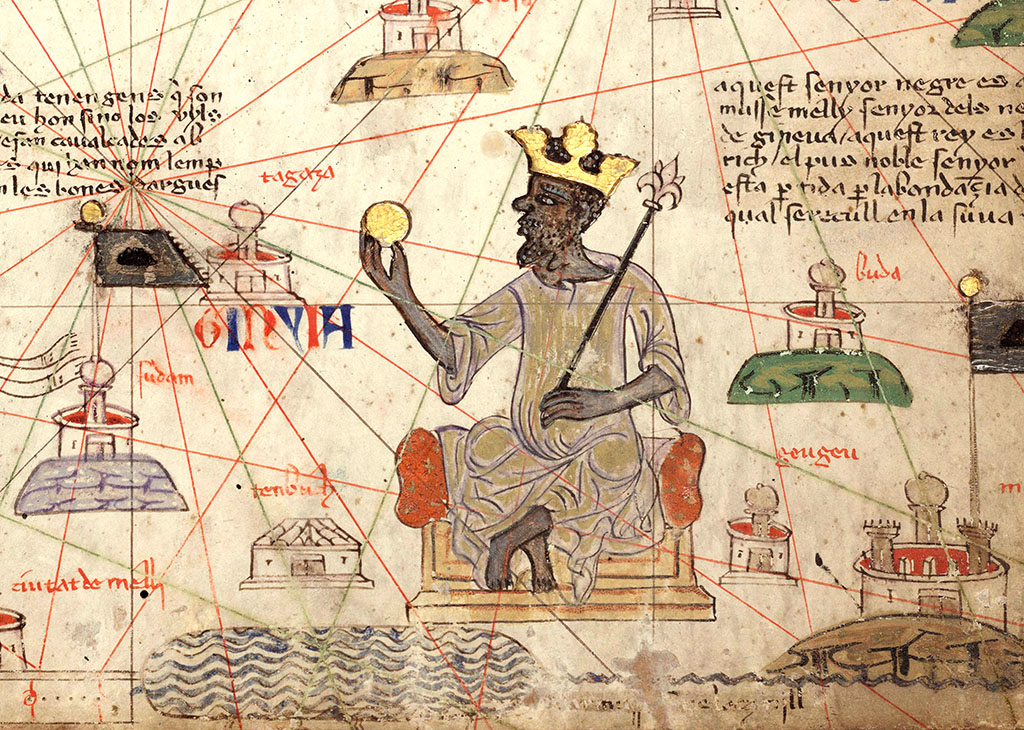
Contrary to widespread belief, not all Africans were enslaved or involved in the slave system. Before the advent of the transatlantic slave trade, Africa was home to a multitude of diverse societies, each with its own cultures, traditions, and economies. Kingdoms such as Mali, Songhai, and Great Zimbabwe were centers of learning, commerce, and civilization. The misconception that all Africans were enslaved erases the rich and varied histories of these societies and perpetuates a reductive view of African history.
To fully understand the diversity and richness of African societies before the transatlantic trade, it is essential to examine specific examples of great African civilizations. The Mali Empire, for example, was one of the largest and wealthiest empires of its time. Under the reign of Mansa Musa (1312–1337), often considered the richest man in history, Mali experienced a golden age. The city of Timbuktu, integrated into the empire, was a global center of education and trade. It housed the famous University of Sankoré, where scholars from across Africa and beyond came to study and teach. This institution was a beacon of knowledge, attracting scholars and students for its vast libraries and expertise in theology, astronomy, mathematics, and law.
Similarly, the Songhai Empire, which succeeded Mali, was also a center of power and culture. Under the reigns of Sonni Ali (1464–1492) and his successor Askia Mohammed (1493–1528), Songhai expanded to become one of the largest empires in Africa. Gao, its capital, was a thriving commercial center, while Timbuktu and Djenné remained hubs of learning and culture. Askia Mohammed, in particular, established administrative reforms and strengthened educational and judicial infrastructures, illustrating the high level of administrative and cultural development of the Songhai Empire.
In another region of Africa, the Kingdom of Great Zimbabwe, between the 11th and 15th centuries, is another striking example of the sophistication and wealth of African societies. The ruins of Great Zimbabwe, with their massive stone structures, testify to a high level of engineering and architecture. This kingdom was a major trade center, linking the Indian Ocean coast to other African regions through a complex trade network. Archaeologists have discovered artifacts from China, Persia, and India, proving that Great Zimbabwe was integrated into a vast global trade network.
Beyond material and economic achievements, African societies also contributed significantly to global culture and knowledge. For example, the Mali and Songhai empires were renowned for their literary and scientific production. Manuscripts from Timbuktu, written by African scholars, cover subjects ranging from Islamic jurisprudence to medicine, astronomy, and history. These texts provide tangible proof of vibrant African intellectual traditions long before the arrival of Europeans.
Moreover, it is crucial to understand that African social structures were highly varied. In many African societies, social and political organization was structured around chieftaincies or monarchies, where dynastic lineages ruled defined territories. These systems could include forms of servitude or dependency, but they differed greatly from the chattel slavery practiced within the transatlantic trade. In some cultures, war captives could be integrated into society as full members after a period of servitude, while in others, servitude was temporary.
The misconception that all Africans were enslaved not only erases the rich and varied histories of these societies but also has modern repercussions. It contributes to a reductive view of African history and perpetuates negative stereotypes that minimize African contributions to global civilization. In reality, Africa was a dynamic continent with a diversity of complex political, economic, and social systems.
Misconception 2: africans were passive victims
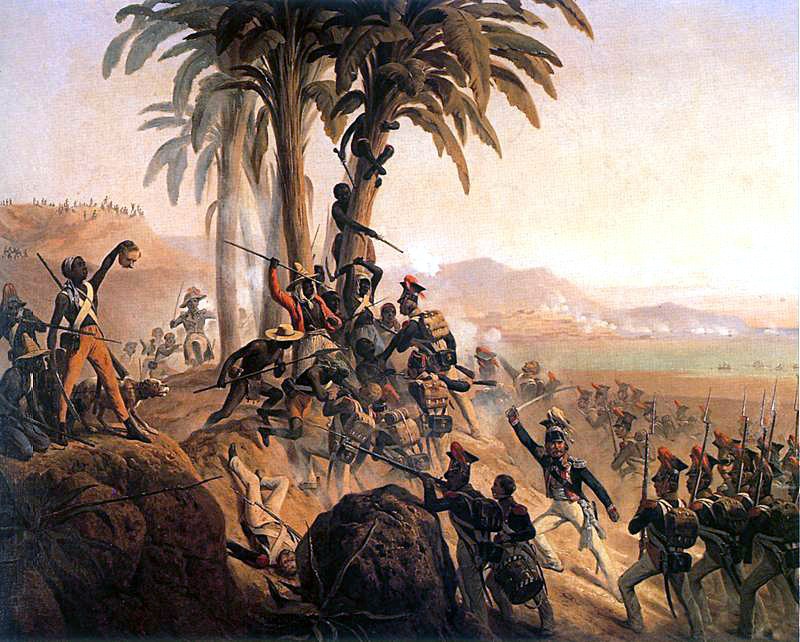
The narrative that Africans were passive victims of enslavement is far from reality. Throughout the history of slavery, Africans actively resisted their oppressors in various ways. From revolts on slave ships to uprisings on plantations, resistance was a constant feature of enslaved life. Figures such as Toussaint Louverture, who led the Haitian Revolution, and Nanny of the Maroons, who fought British colonizers in Jamaica, exemplify this spirit of resistance. These acts of defiance highlight the agency and resilience of Africans in the face of unimaginable adversity.
One of the most direct forms of resistance occurred on the slave ships themselves. Hundreds of revolts took place during the Atlantic crossings, also known as the “Middle Passage.” Captives, torn from their homeland, confronted with inhumane conditions and an uncertain future, organized mutinies to regain their freedom. For example, in 1532, enslaved Africans revolted aboard the Portuguese ship “La Misericordia.” They killed several crew members and attempted to steer the ship back to Africa, illustrating their courage and determination in the face of repression.
Resistance was not limited to ships. On plantations, enslaved people frequently organized revolts and insurrections to challenge their bondage. The rebellion of Nat Turner in 1831 in the United States is an emblematic example. Turner, an enslaved preacher, led a violent uprising against plantation owners in Virginia, killing about 60 white people before being captured and executed. Although brutally suppressed, the revolt spread fear among slaveholders and strengthened the abolitionist movement.
One of the most powerful examples of resistance to slavery is the Haitian Revolution (1791–1804), led by leaders such as Toussaint Louverture, Jean-Jacques Dessalines, and Henri Christophe. This revolution remains the only successful slave revolt in modern history, leading to the creation of the first independent Black republic.
In Jamaica, resistance took the form of marronage, in which escaped enslaved people formed independent communities in the mountains and forests. The Maroons, led by figures such as Nanny of the Maroons, waged prolonged guerrilla warfare against British colonial forces.
In addition to physical resistance, enslaved people carried out cultural and spiritual resistance. They preserved and adapted their cultural, religious, and linguistic traditions despite efforts to eradicate them. The syncretic religion of Vodou in Haiti, for example, blended African, Catholic, and Indigenous beliefs as a form of spiritual resistance and cultural preservation.
The list of resistance figures is long and varied. In addition to Toussaint Louverture and Nanny of the Maroons, individuals such as Harriet Tubman, Sojourner Truth, and Frederick Douglass played crucial roles in the struggle against slavery. Harriet Tubman, nicknamed “Moses,” helped hundreds escape to freedom via the Underground Railroad. Sojourner Truth used her eloquence to advocate for abolition and women’s rights. Frederick Douglass became an influential speaker and writer, denouncing slavery and advocating racial equality.
Misconception 3: slavery was long accepted without opposition

The idea that slavery was universally accepted without opposition ignores the significant efforts made to combat this inhumane practice. Abolitionist movements emerged around the world, driven by enslaved and free individuals who recognized the moral and ethical atrocity of slavery.
In Great Britain, figures such as William Wilberforce and Olaudah Equiano played pivotal roles in the movement to abolish the transatlantic slave trade.
In France, figures such as Maximilien Robespierre and Léger-Félicité Sonthonax acted against slavery, while Victor Schoelcher was instrumental in securing the 1848 decree permanently abolishing slavery in French colonies.
In Guadeloupe, resistance figures such as Louis Delgrès, Joseph Ignace, and Solitude opposed Napoleon’s attempt to reinstate slavery in 1802.
In the United States, Harriet Tubman, Frederick Douglass, and William Lloyd Garrison led abolitionist efforts. President Abraham Lincoln issued the Emancipation Proclamation in 1863, and the 13th Amendment in 1865 formally abolished slavery nationwide.
Misconception 4: the transatlantic trade was the only form of slavery
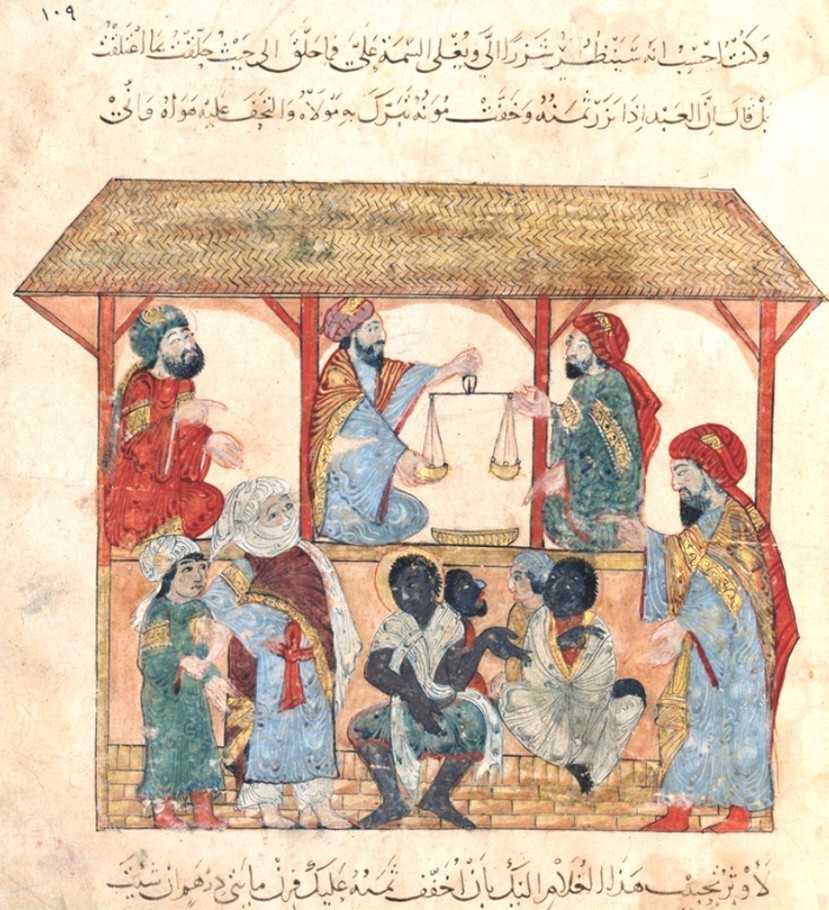
Although the transatlantic slave trade is the most widely known form, it was not the only one. The Arab slave trade, which preceded it, forcibly displaced millions of Africans across the Middle East and Asia. Internal systems of slavery also existed within Africa for varied economic and social reasons. Understanding these different forms provides a more comprehensive view of the scope and complexity of the institution.
Misconception 5: slavery was solely an economic system

Reducing slavery to a purely economic system ignores its socio-cultural and psychological impacts. Enslaved people were systematically dehumanized, families were fragmented, and cultural identities were attacked. Yet despite these efforts, enslaved communities preserved traditions, religions, and cultural expressions such as Vodou in Haiti and spirituals and blues in the United States.
The concept of transgenerational trauma helps explain how the psychological wounds of slavery continue to affect Afro-descendant communities through systemic racism, economic inequality, and social marginalization.
Misconception 6: slavery completely ended with legal abolition

The idea that slavery ended with legal abolition is an oversimplification. After abolition, systems such as sharecropping and Jim Crow laws in the United States maintained racial subordination. Debt bondage persisted in regions such as South Asia and Latin America.
Modern slavery remains a global reality. According to the International Labour Organization (ILO), more than 40 million people are victims of modern forms of slavery, including forced labor, human trafficking, forced marriage, and sexual exploitation. In Mauritania, despite official abolition in 1981, hereditary slavery continues to affect thousands. In conflict zones such as Libya, migrants have been captured and sold in black markets.
Combating modern slavery requires coordinated global efforts. International organizations such as the ILO and the United Nations, along with numerous NGOs, work to raise awareness, rescue victims, and prosecute perpetrators.
The importance of correcting misconceptions
In summary, understanding misconceptions about the enslavement of African peoples is crucial for a complete and honest comprehension of this historical period. Educating our communities and correcting myths that distort the reality of slavery is essential. By acknowledging the complexity and lasting impacts of slavery, we can better honor the memory of those who suffered and work toward a more just and equitable future.


