

Originally, during slavery, African women were forced to cover their majestic hair with a veil. For example, in 1786, Louisiana enacted laws regarding the tignon, requiring African women to dress austerely, cover their hair in public, and wear a headpiece similar to a durag to signify their inferiority in the eyes of white men. But Black women, with great ingenuity, turned this fabric into a true aesthetic accessory, using beautiful fabrics with bright colors and patterns. This law, created to diminish their beauty, had the opposite effect. The headpiece was worn with pride rather than as a burden.
The durag: its functionality and origins

The durag is a fabric hair accessory, similar to a bandana, often paired with gold chains, caps, and necklaces. The durag protects and maintains hairstyles such as braids or waves, which, as their name suggests, are ripples formed by brushing the hair into patterns.
In 1930, with the Harlem Renaissance, Afro culture in the United States began to assert itself, and hairstyles and headpieces took on new meaning, becoming fashion accessories as an expression of identity. Figures such as Nina Simone and Maya Angelou reemerged with political and social movements, wearing it publicly with pride.
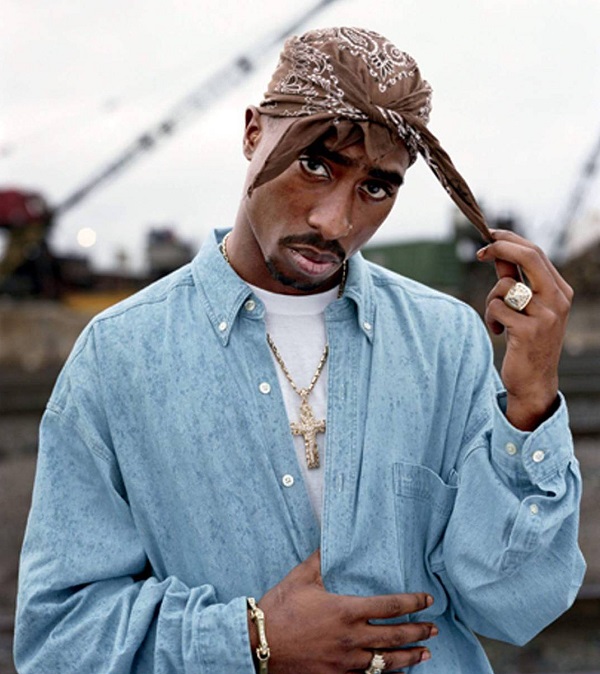
Tupac’s mother, also a member of the Black Panther Party, passed this symbol on to him. During the 1990s and 2000s, the durag became a cultural symbol within the Black community, worn by countless rappers and athletes, making it popular worldwide—from Eve to 50 Cent and Nelly.
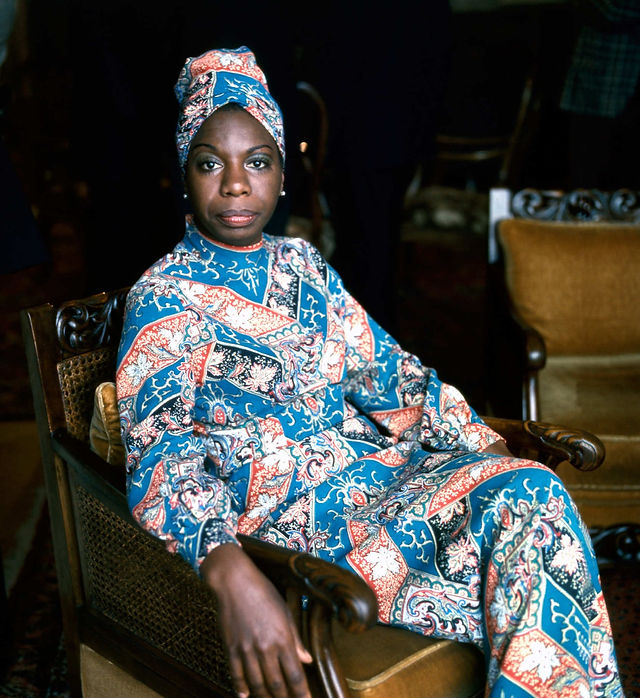
Here is the evolution: In the 18th century, African women were forced to hide their hair under a veil, and today, in the 21st century, more than 200 years later, the durag has become a symbol of strength and a celebration of Afro culture around the world.


