

Since antiquity, hip belts have been an important erotic symbol for women across the African continent.
Currently a major accessory in women’s lingerie in the Western world, the thong has long been known to populations on the African continent, such as the San of Southern Africa. Its use, however, seems to have developed primarily among men, where it served to cover the genitals.
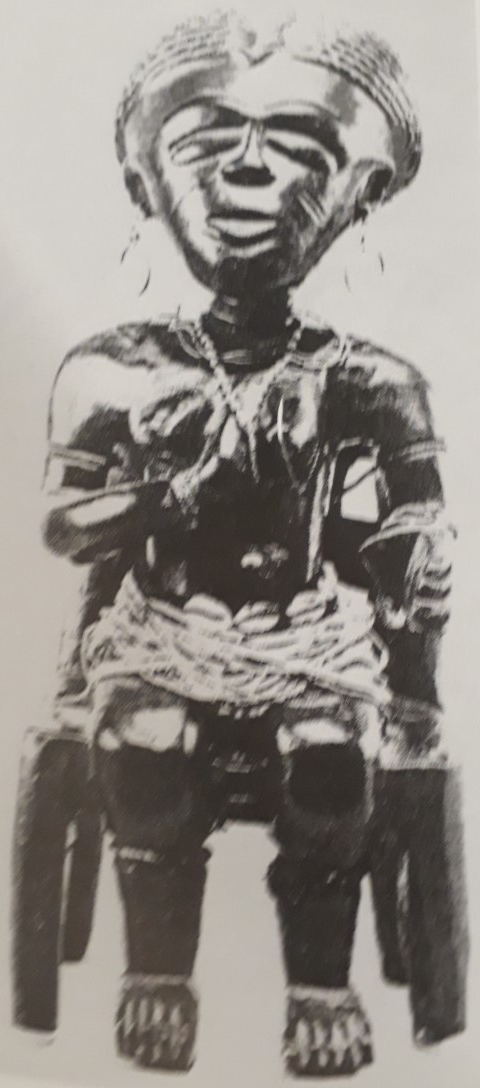
A traditionally more widespread female erotic attribute on the continent may be the hip belt. Associated with accentuating the female hips’ silhouette and movement, they are documented across all major regions of sub-Saharan Africa. They are also present in ancient Egypt around 2000 BCE, where they are depicted on women who are adorned but nearly naked. Scenes of dancers wearing them attest to their symbolism of feminine sensuality in the society of the time.
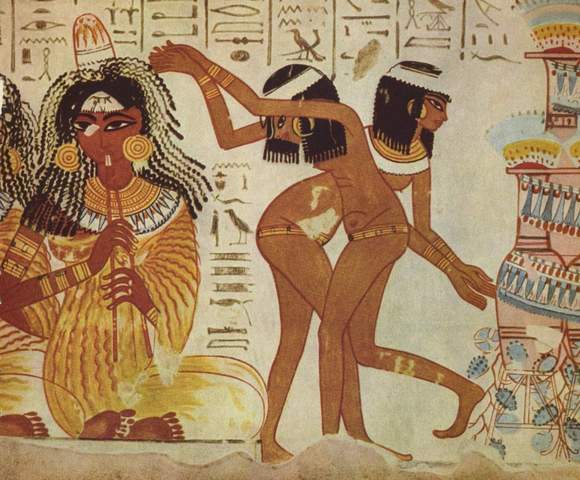
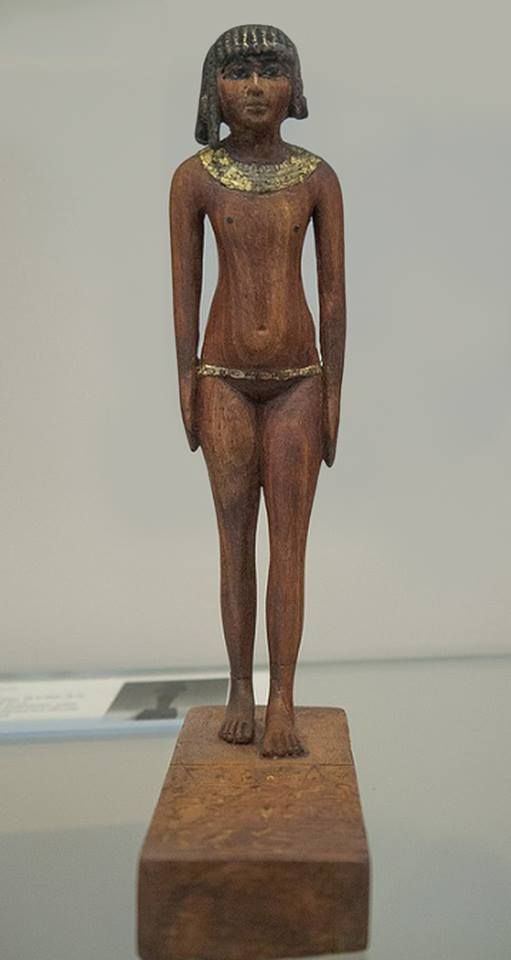
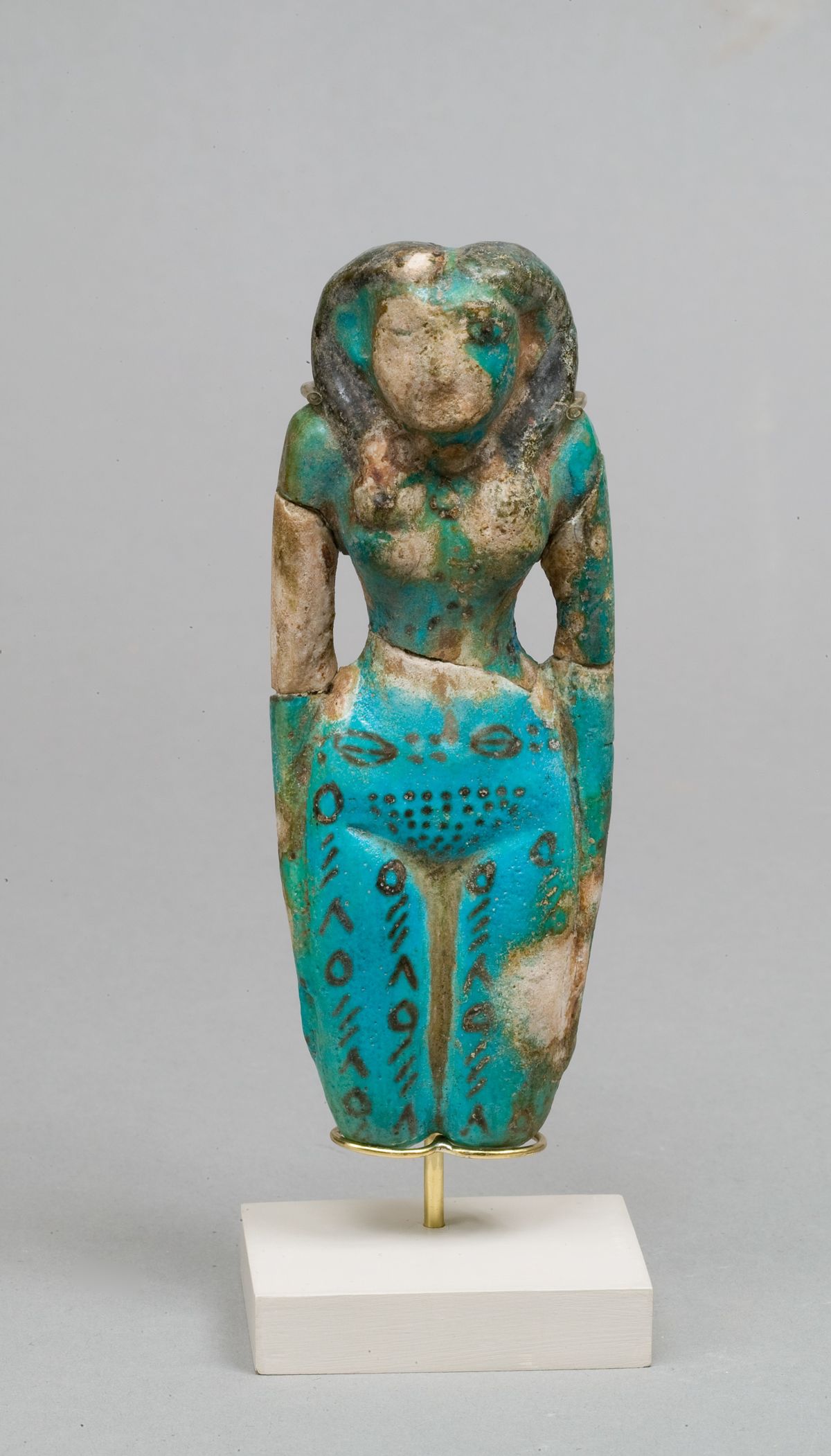
In Senegal, for many people, hip belts are one of a woman’s primary erotic attributes. Only the woman’s partner may see them in private, and they receive numerous requests from clients. Often, when combined with lingerie, the lingerie is matched to the color of the beads. As a result of further contact with Western culture, the beads are sometimes decorated with Roman letters conveying explicit messages.
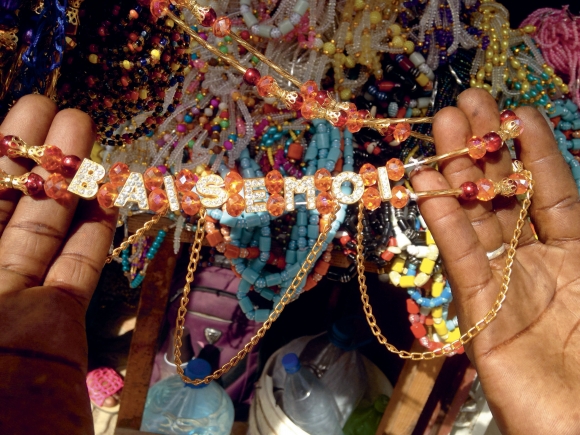
Photo: Ismaël Moya.
If referred to in English as waist beads, these belts adorning African women’s hips are not always beads in the strict sense. Sometimes they consist of chains, clay beads, stone beads, cowries, seeds, or other materials.
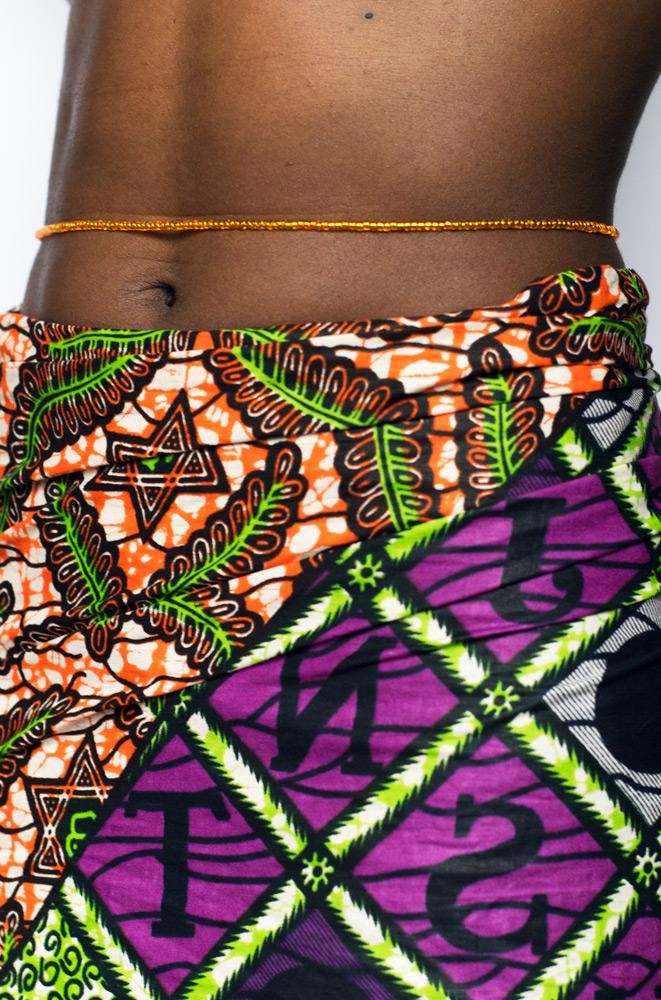
In other societies across the continent, hip belts are sometimes worn visibly, as a seduction tool or to show that the wearer has reached sexual maturity. Sometimes this is functional—for example, in Ghana, beads are traditionally worn as belts to hold fabrics covering intimate parts during menstruation. However, it should be noted that hip belts do not carry this connotation in all cultures. In some, they are worn by children to accompany the development of their silhouette. In others, they may be worn as magical protection or as markers of social status.
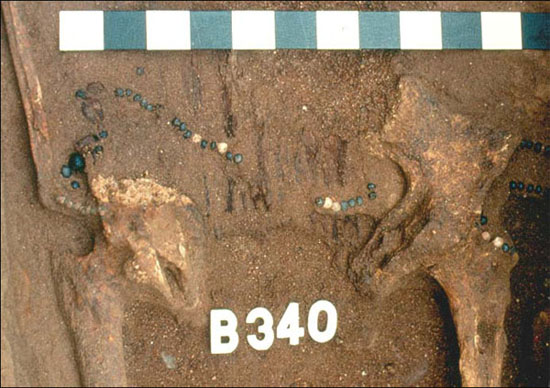
The use of hip belts among African women appears to have survived their deportation to the Americas. According to discoveries by American archaeologists Barbara Bianco, John Howson, and Christopher DeCorse (2006) in an African slave cemetery in New York, the remains of a woman wearing beads around her hips were found.
Were these beads a beauty attribute to be worn in the afterlife, or did they have another function? In any case, the globalization of the Black world has led to the re-appropriation of these beads as an erotic symbol by descendants of African women, notably in the United States.

Another function inspired by the use of hip belts in Africa resonates particularly with current concerns of Western women. This is their use to control weight when worn around the abdomen. This control can be continuous, without the risk of unpleasant surprises when trying on pants.


