

One evening in December 1929, on the streets of Harlem, New York, an elegant woman dressed in fur and holding a gold cigarette holder climbs into her Ford Model T. Her name is Stéphanie St-Clair, and she is about to return home to the upscale Sugar Hill neighborhood. However, that night, she is arrested by the NYPD for corruption of police officers and magistrates. Stéphanie St-Clair, also known as “Queenie” to the white mafia and “Madame St-Clair” to the Black community, was at the head of her own gang of criminals. She had built her reputation by diverting large sums of money through the underground lottery.
The story of this fascinating woman, a Martinican immigrant who left a lasting mark on New York in the 1930s and 1940s, was long forgotten by history. However, writer Raphaël Confiant decided to correct this injustice by devoting his latest novel to her, Madame St-Clair. But how did Stéphanie St-Clair, born into misery in 1886, manage to impose herself in the underworld while becoming a symbol of the cultural awakening of Black Americans?
An american dream in spite of obstacles
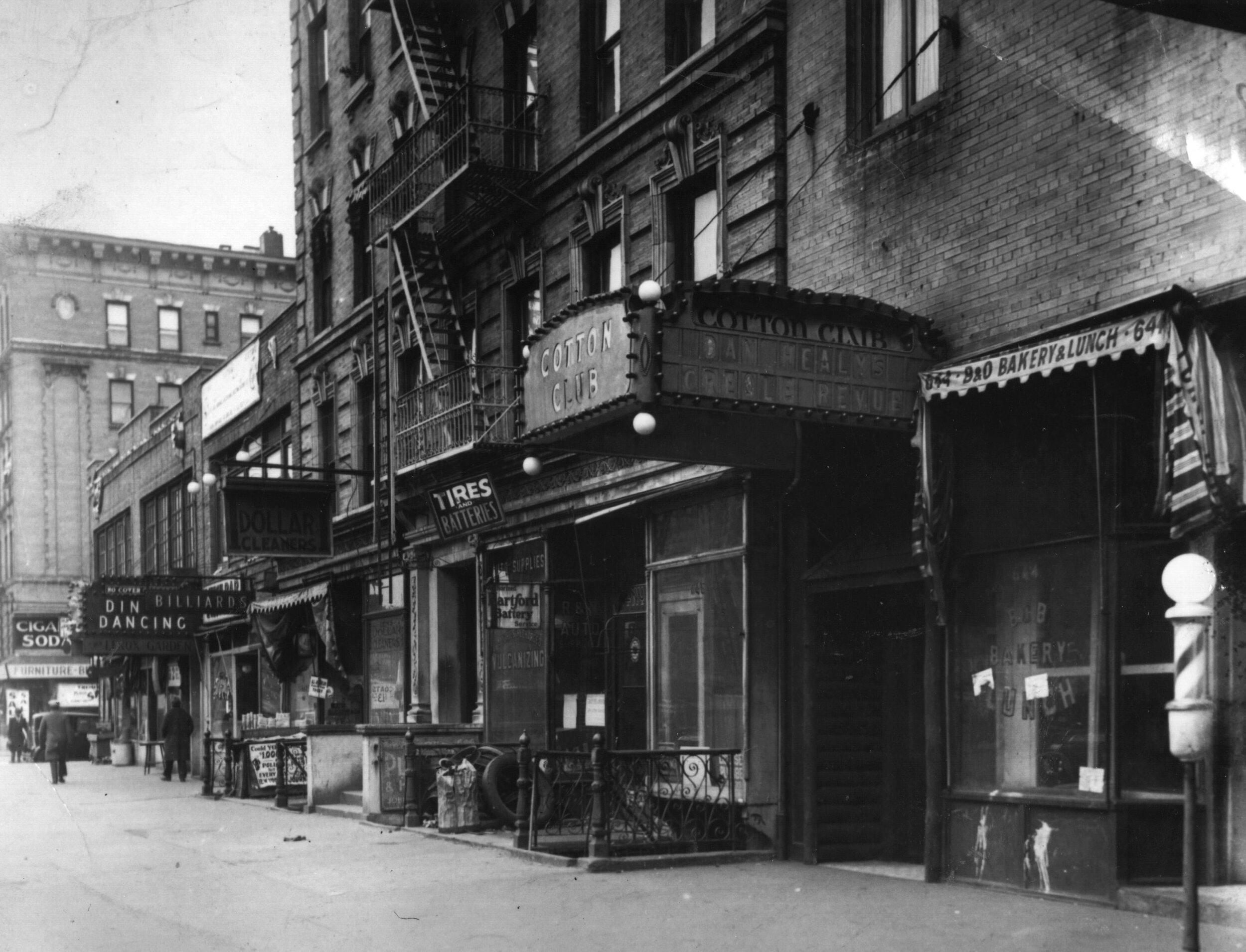
Stéphanie St-Clair was born in Fort-de-France, Martinique, into precarious circumstances, without a father and orphaned of her mother at a young age. At the age of twelve, she left school to become a domestic servant, suffering abuse at the hands of the son of the household. However, Stéphanie decided very early on that her life would not be that of her compatriots. In 1912, at the age of twenty-six, she fled the poverty of her native island for New York, anglicizing her name to “St-Clair.” She began her quest for recognition in Five Points, one of the city’s most squalid slums.
Stéphanie arrived with three major handicaps: she was a woman, Black, and French. Women did not have the right to vote, Black people were victims of the abuses of a resurgent Ku Klux Klan, and French people were rare in New York at that time. Yet, despite these obstacles, Stéphanie decided to stand out. Her tenacity led her to work for an organization specializing in racketeering, the “Forty Thieves,” where she identified the establishments that generated the most money for them. She learned to speak Gaelic (Irish patois) and English, while compensating for her accent with a fearless attitude.
Stéphanie St-Clair: the queen of the underground lottery
After numerous twists and turns, Stéphanie settled in 1915 in northern Harlem, away from the rivalries between the Jewish and Italian mafias that controlled nightclubs reserved for Whites. She found her calling in the underground lottery, which she developed spectacularly. In a short time, she ran a well-structured organization made up of bankers and bettors. From 1921 onward, her annual turnover exceeded 200,000 dollars.
Despite the recurring accusations of armed assault against her, Stéphanie managed to avoid prison thanks to the corruption of magistrates, judges, and police officers. Those who tried to oppose her were eliminated by her enforcer, Ellsworth Johnson, whom she had trained to carry out contract killings. Stéphanie St-Clair became a feared figure in Harlem’s criminal underworld, where she was surrounded by an intimidating close guard.
The quest for independence and personal commitment
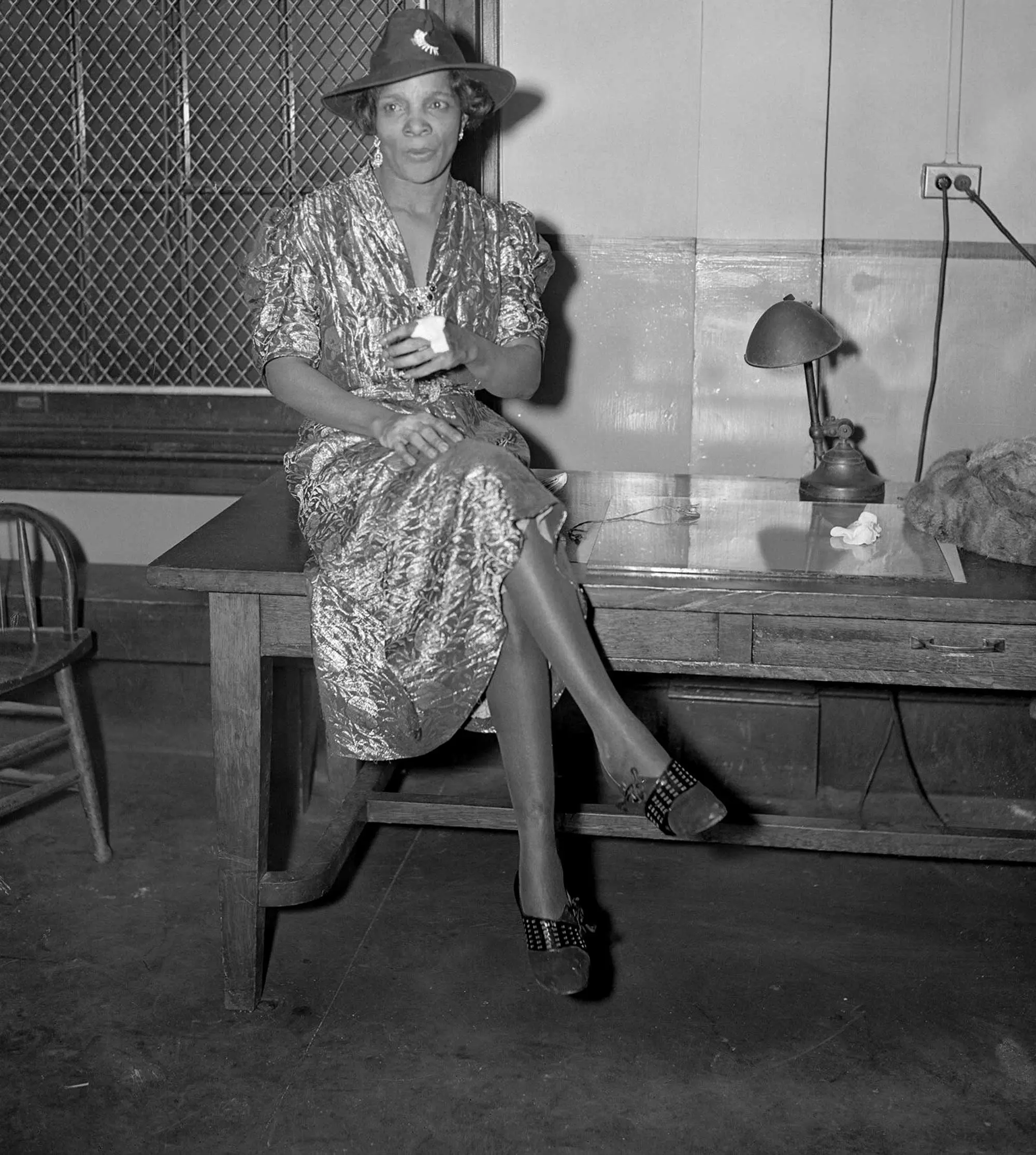
At the end of the 1920s, Stéphanie found herself locked in a fierce struggle with Dutch Schultz and Lucky Luciano, two bosses of the white mafia who sought to seize control of the underground lottery, as alcohol smuggling declined with the end of Prohibition. Despite death threats and violence, Stéphanie refused to cede her territory to a white boss. She eventually concluded a truce and paid a tax to the Italians, marking the loss of the battle but earning the respect of the Harlem community. It was then that people began to call her “Madame St-Clair.”
After a hard-fought battle with the white mafia, Stéphanie St-Clair personally committed herself to denouncing the schemes between the New York police and the gangs. She obtained a weekly platform in the most respected Black newspaper in the United States, the New York Amsterdam News, where she exposed police corruption and collusion between law enforcement and gangs. Her perseverance led to the dismissal of fifteen police officers.
A legacy redefining black american identity
Toward the end of her life, Stéphanie St-Clair chose to publicly denounce injustice and corruption. Even though her struggle was primarily personal, her life example influenced future generations. At a time when America debates cultural appropriation, Stéphanie St-Clair’s journey redefines Black American identity. She embodies this blend of rootedness in one’s origins and openness to elsewhere, building a bridge to our own era.
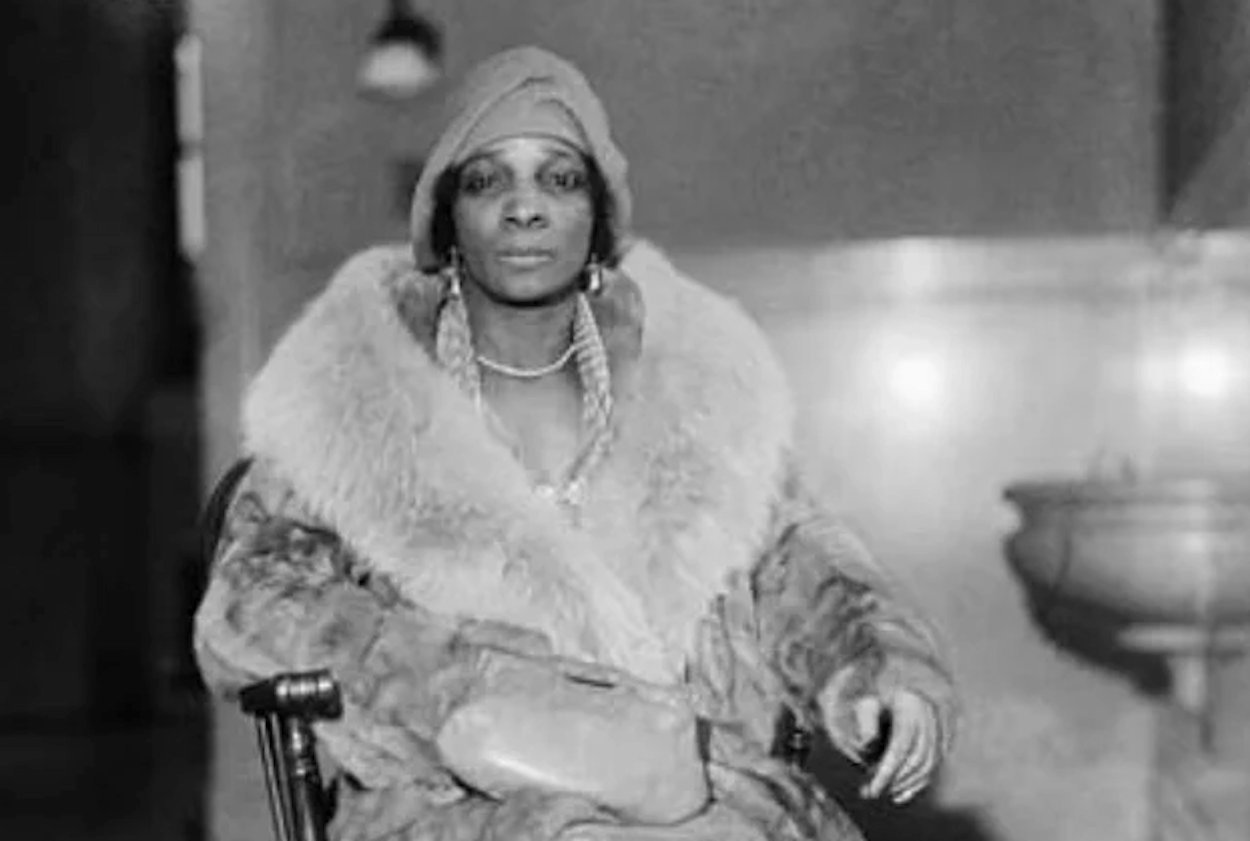
Although her name has fallen into oblivion, Stéphanie St-Clair deserves to be celebrated for her determination, her courage, and her commitment as a Black American pioneer in a world dominated by gangs and corruption. Her legacy endures as a symbol of Black emancipation, at a time when this notion was still reserved for a cultivated elite.
Table of contents
- An American Dream in Spite of Obstacles
- Stéphanie St-Clair: the Queen of the Underground Lottery
- The Quest for Independence and Personal Commitment
- A Legacy Redefining Black American Identity


