

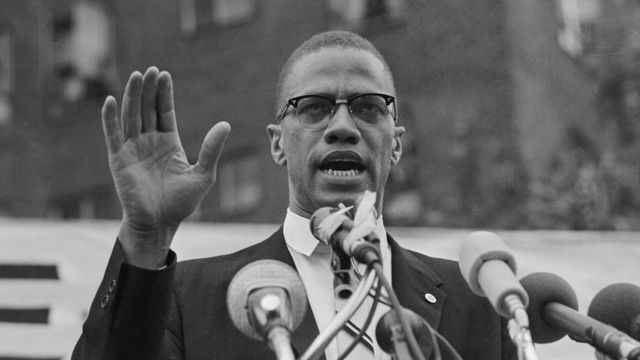
Malcolm X said: “Our history did not begin in chains.”
What is the world they created?
A world where Africans invented nothing, where Egyptians were not Black, where Africa never contributed anything to civilization and never had a history.
What is the world they taught us?
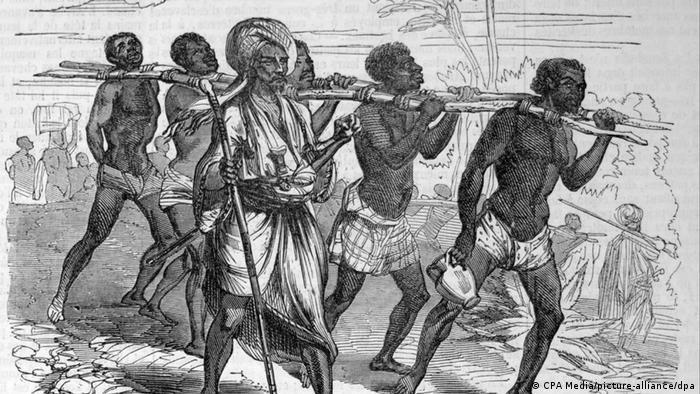
A world where Europeans discovered everything and civilized everyone, a world where only Europeans did great things, and then when it comes time to talk about African peoples everything is summed up in the chapter “Slavery and Colonization”.
How long will we move with this world?
How long will we think that this world is reality?
We must reject this artificial world because this world does not exist, and we must reclaim the world of our ancestors and their vision.
“If we take the experience of slavery and if we take the first man who appeared in Africa more or less 200,000 years ago, and within these 202,022 years we would see that it represents an infinitesimal part of our history;
We therefore cannot focus on and confine our history and our image as a people to an infinitesimal part of our history.”
Professor Nioussere Philippe Omotunde.
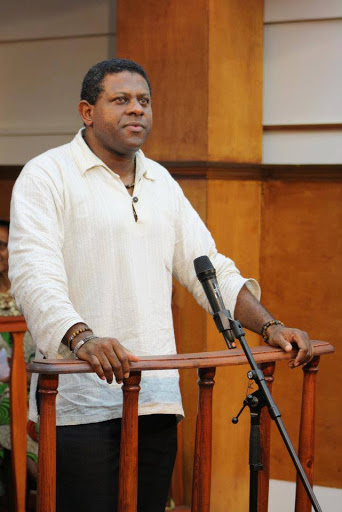
Nioussere Philippe Omotunde
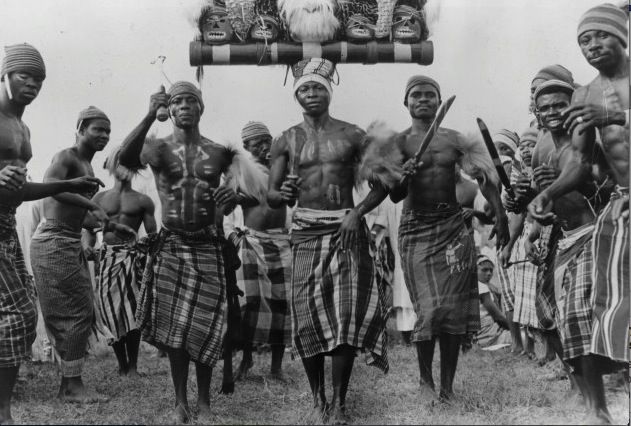
In Africa, there were great civilizations: great kingdoms, empires, and city-states with their own languages, traditions, political organizations, social structures, economies, and systems of values.
We lived through times of peace and conflict.
We practiced our spiritualities, music, and the arts.
Egypt is, for us, a series of great civilizations that existed in Africa.
For thousands of years, we achieved magnificent accomplishments in the fields of science, mathematics, technology, and the arts.
Egypt is, for us, a series of great civilizations that existed in Africa. For thousands of years, we achieved magnificent accomplishments in the fields of science, mathematics, technology, and the arts.
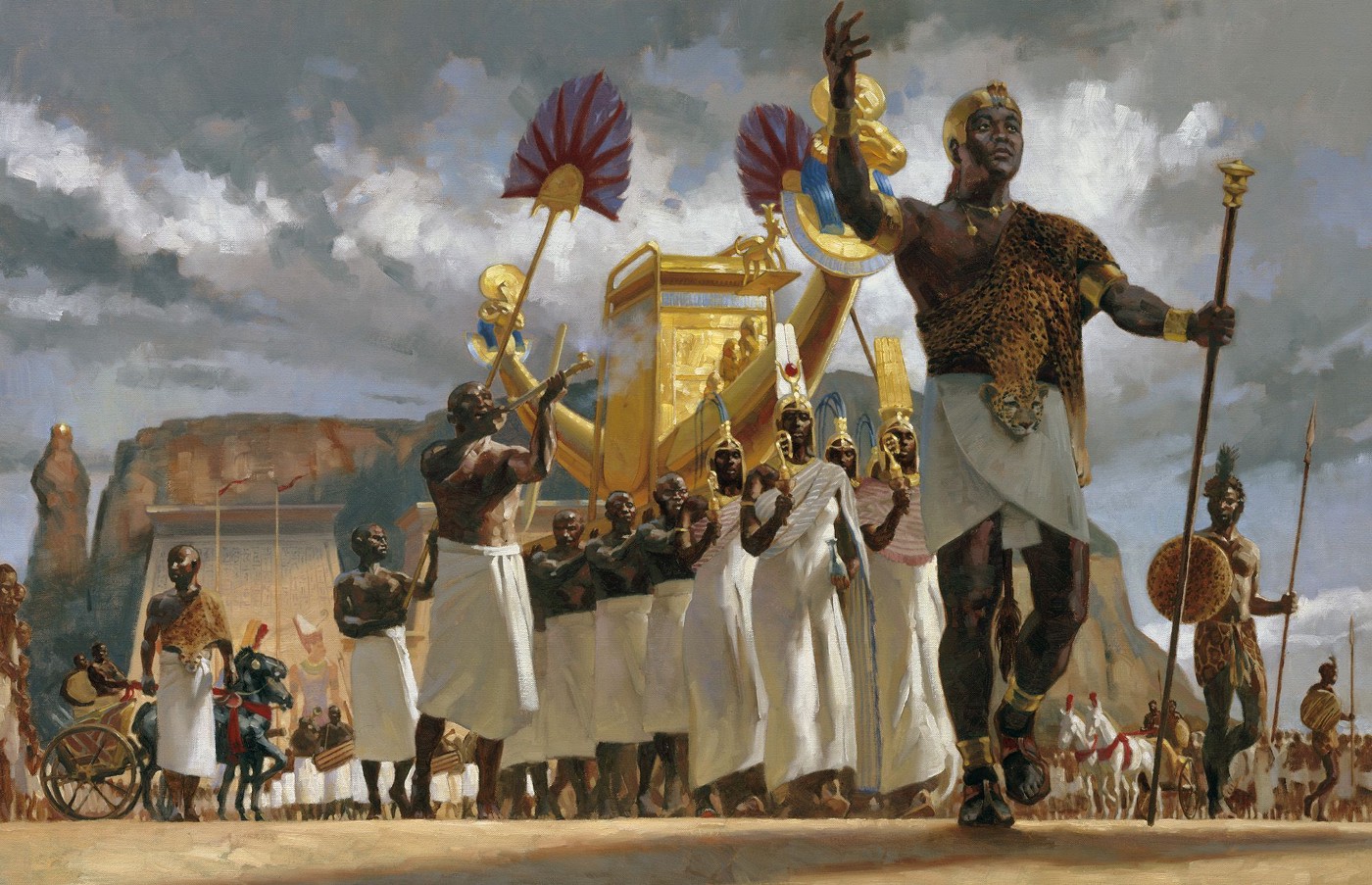
We built cities, fortresses, pyramids in Egypt and Sudan, stone churches such as those in Ethiopia, walls like those of Benin, four times longer than the Great Wall of China.
We had extensive trade networks among ourselves and with non-African peoples.
We created libraries such as that of Alexandria in Egypt, the largest and richest library of the ancient world and the main international cultural center of its time.
Schools and universities such as that of Timbuktu, one of the most important cities in the world where scholars, artists, and writers from continental Africa and elsewhere met.
We developed systems of writing, agriculture, and navigation. Salt bars, cowrie shells, gold dust, and coins were used as currency.
We developed great calendars and systems of mathematics and savings such as the Isusu of the Igbo people, and in all of this there was great resistance to slavery and colonization on the continent.
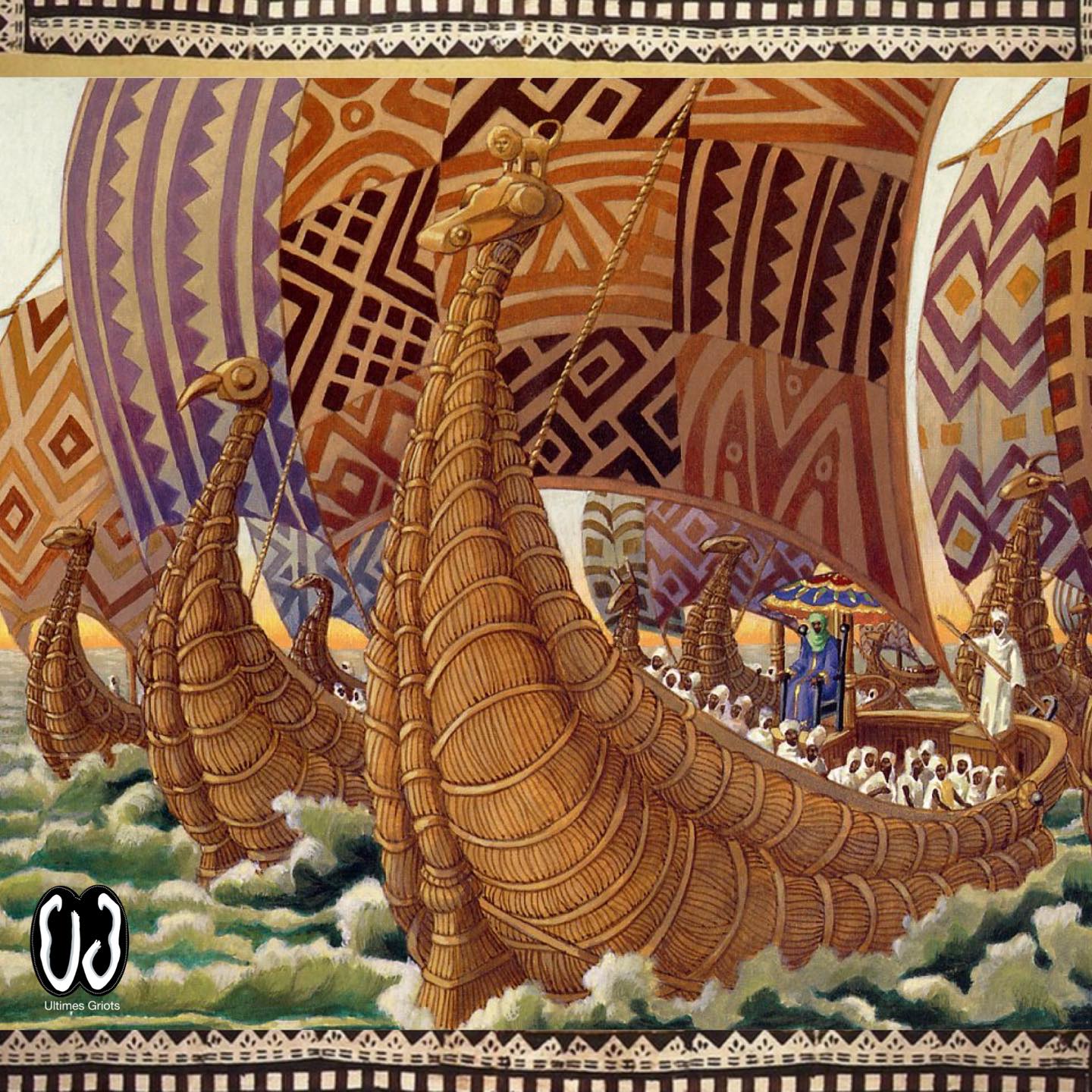
One could cite the Mali Empire, the Kingdom of Benin, the Songhai and Ghana empires, Kush. One could speak of the richest man in the world, Mansa Musa, the ninth emperor of the Mali Empire. Of the scientist and scribe Imhotep, who practiced medicine 2,200 years before Hippocrates, as well as Mansa Abubakari II, emperor of the Mali Empire, who explored the limits of the ocean and with his Malian sailors reached America more than 200 years before Christopher Columbus.
In short, one could go on for a long time, because our history is not slavery; it is slavery that held back the history of Africa.


