

Africa Must Unite is a passionate call by Kwame Nkrumah, the first president of independent Ghana, for a united and free Africa, liberated from colonial rule. Published in 1963, this visionary book remains an essential reference for understanding Pan-Africanism and the political and social challenges facing the continent.
In a global climate where questions of unity and national self-determination are gaining importance, Africa Must Unite by Kwame Nkrumah stands as a must-read. Published in 1963, this visionary book offers insightful analysis and a passionate plea for African unity in the wake of decolonization1. Through this review, we dive into Nkrumah’s mindset, exploring his compelling arguments for a united and economically independent Africa. Nofi not only provides a detailed overview of the work but also encourages our readers to discover for themselves the power and relevance of this text, which continues to resonate in contemporary discussions on Pan-Africanism2 and the future of the African continent.
Title and date of the work:
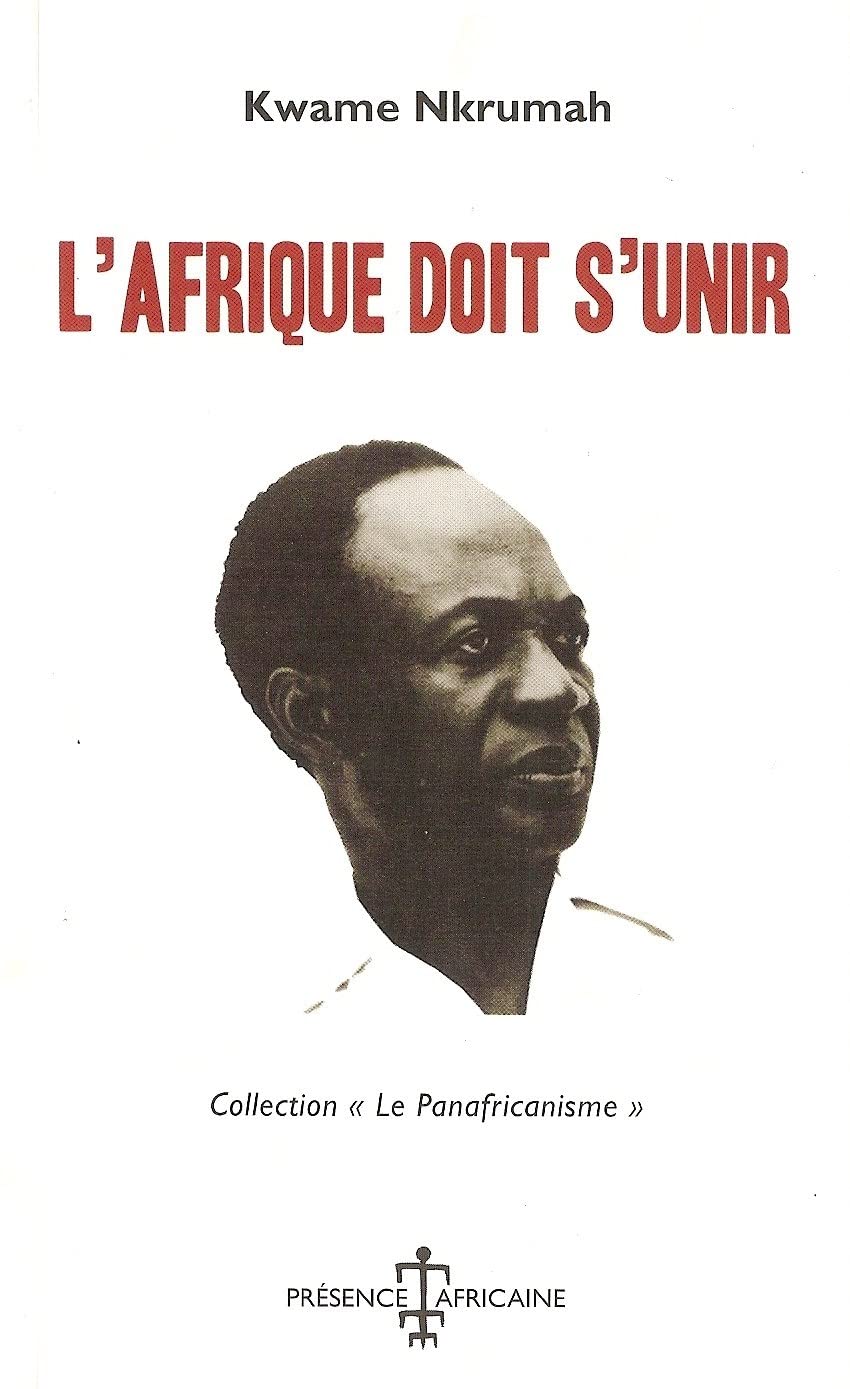
Africa Must Unite is a book written by Kwame Nkrumah, published in 1963. This political and historical work addresses the theme of African unity and decolonization. It has become a foundational text in Pan-African literature, reflecting Nkrumah’s vision for a united and independent Africa.
A short biography of the author and his major works:
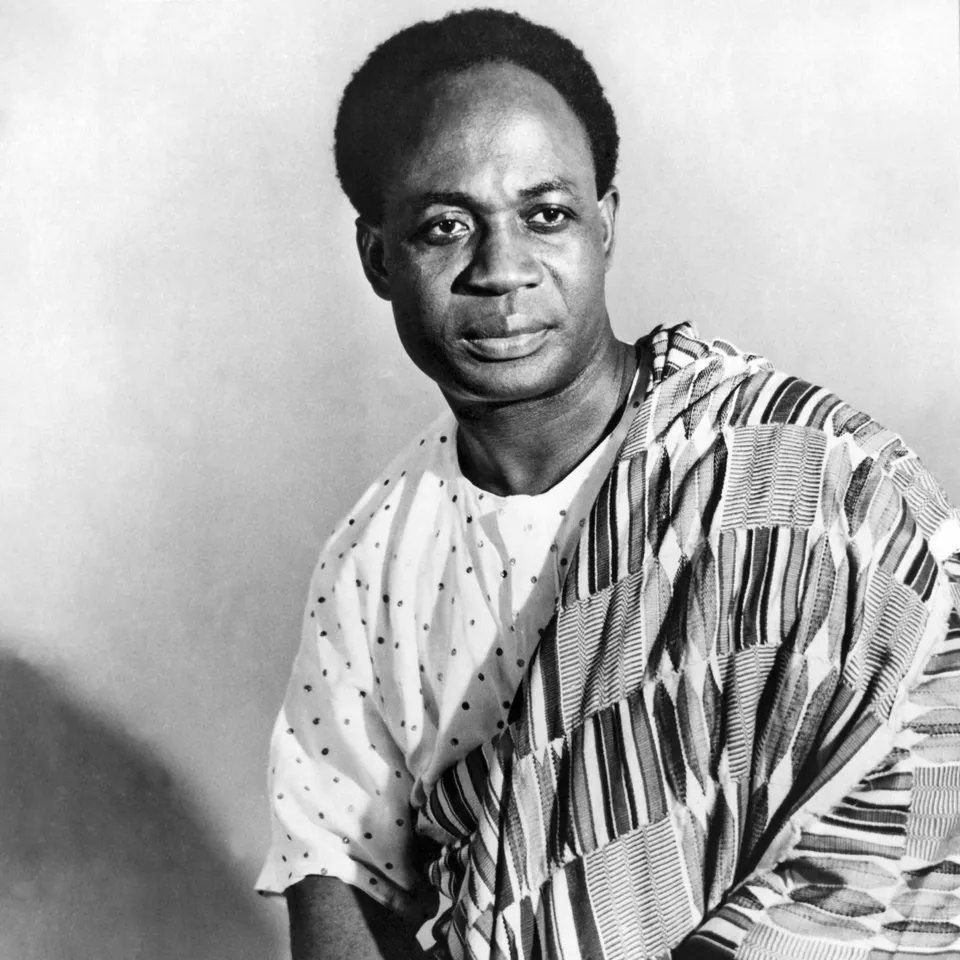
Kwame Nkrumah (1909–1972) was a Ghanaian politician, leader of the Ghanaian independence movement, and the country’s first president after independence in 1957. He was a key figure in Pan-Africanism and played a major role in promoting African unity. His other important works include Consciencism: Philosophy and Ideology for Decolonization(1964) and Neo-Colonialism, the Last Stage of Imperialism (1965). Below is a simplified timeline highlighting the key moments in Kwame Nkrumah’s life:
- 1909: Kwame Nkrumah is born in Nkroful, Gold Coast3 (now Ghana).
- 1935–1945: Studies in the United States, where Nkrumah is influenced by Pan-African and anti-colonial ideas.
- 1945: Participation in the 5th Pan-African Congress in Manchester4, England, alongside W.E.B. Du Bois5 and George Padmore6.
- 1947: Returns to the Gold Coast and becomes involved in the independence movement.
- 1949: Founds the Convention People’s Party (CPP)7, a political party advocating for independence.
- 1951: Nkrumah becomes the first Prime Minister of the Gold Coast.
- 1957: The Gold Coast gains independence and becomes Ghana, with Nkrumah as its first Prime Minister and later President.
- 1960: Ghana becomes a republic with Nkrumah as its first President.
- 1963: Africa Must Unite is published, advocating for African unity.
- 1966: Nkrumah is overthrown in a military coup while visiting China.
- 1966–1972: Exile in Guinea, where Nkrumah continues to promote Pan-Africanism.
- 1972: Kwame Nkrumah dies in Bucharest, Romania.
Summary of Africa Must Unite:
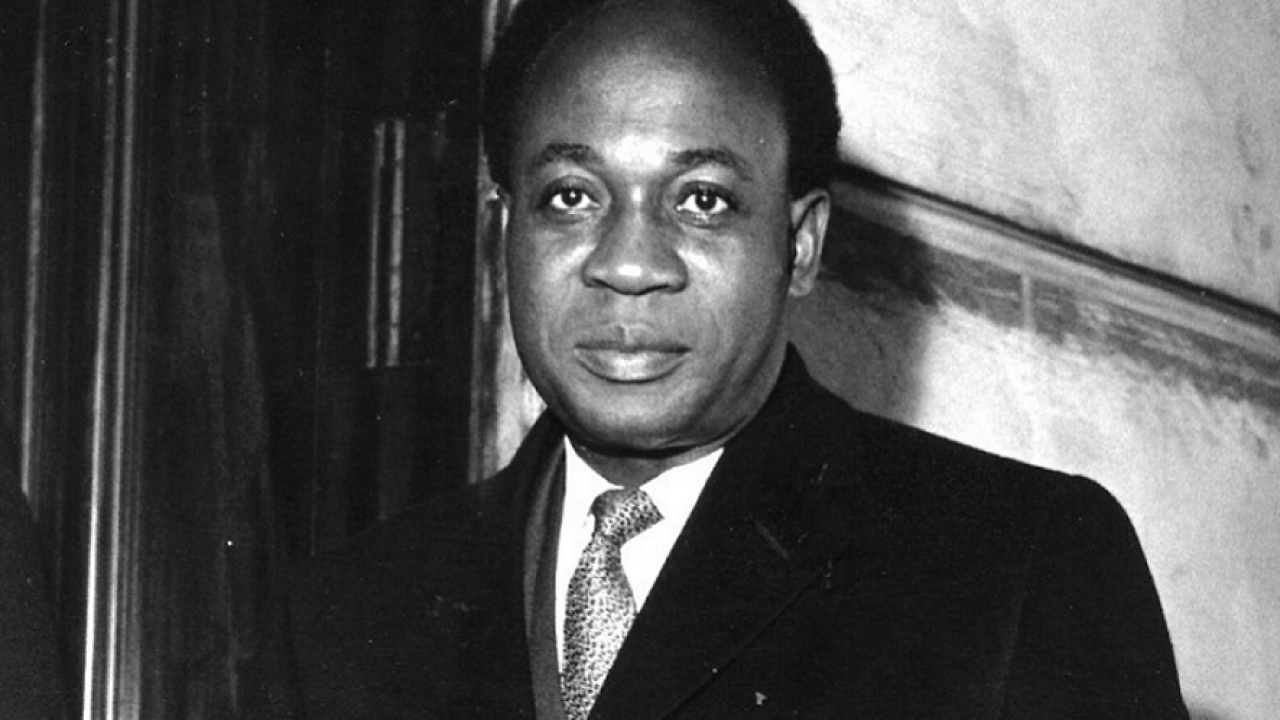
This influential work, written by Kwame Nkrumah and published in 1963, presents his vision for Africa’s future in the post-colonial context. Nkrumah, then President of Ghana, argues for the political and economic unity of the entire African continent, considering it essential for prosperity, stability, and self-determination in the face of external influences and neo-colonialism8.
Nkrumah begins by analyzing Africa’s situation at the time, characterized by political fragmentation and economic dependence. He emphasizes that the colonial borders have divided the continent into small states, often too weak to be economically viable or to exert significant influence on the global stage. For Nkrumah, this division is a major obstacle to development and African unity.
The book also addresses the concept of neo-colonialism, where former colonial powers continue to control and exploit African economies despite the formal political independence of African nations. Nkrumah argues that African unity is the only way to effectively resist this form of domination and ensure autonomous economic development.
Nkrumah proposes concrete solutions to achieve African unity. He advocates for the creation of a federal government for all of Africa, with common economic policies and defense systems. He insists on the need for continent-wide economic development planning, with a focus on industrialization and self-sufficiency.
In short, Africa Must Unite is a call to action for African leaders and people. Nkrumah urges solidarity and cooperation to overcome ethnic, regional, and national divisions and to realize the vision of a united and strong Africa.
This book is considered a foundational text in Pan-African literature and remains relevant for understanding the challenges and aspirations of contemporary Africa.
Main themes:
African unity, Neo-colonialism, Economic development, African politics
Analysis and reflections on each theme:
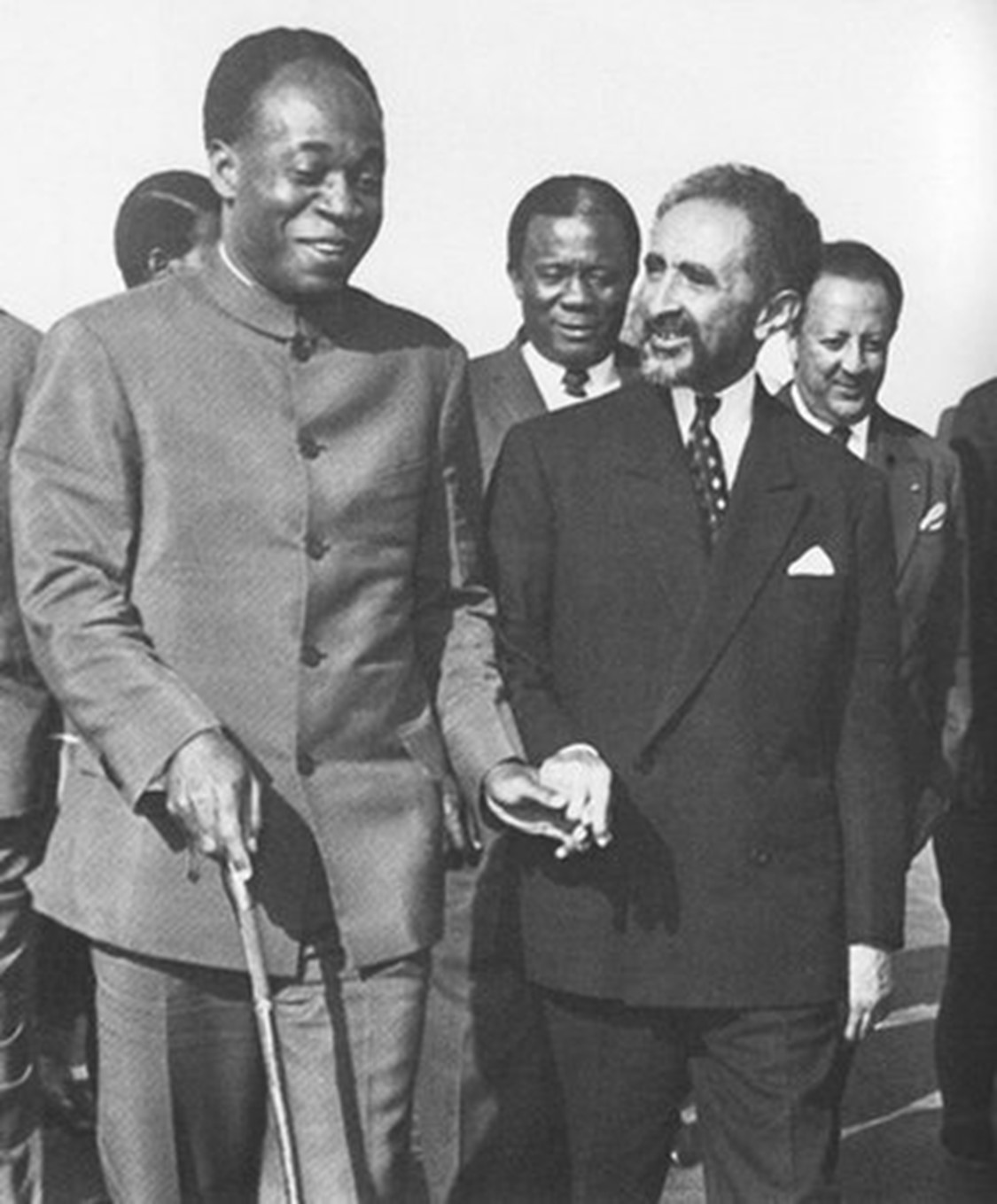
Analysis and reflections on each theme:
- African unity: Nkrumah stresses the importance of African unity for the liberation and progress of the continent. He argues that without unity, African countries will remain weak and divided, unable to resist external influence or reach their full potential. Nkrumah envisions a political and economic African union, similar to a federation, that could defend the continent’s interests on the global stage.
“We, who are fighting for the unity of Africa, are fully aware of the goodwill of our intentions. We need the combined strength of our peoples and resources to protect ourselves from the imminent danger of a return of colonialism in a disguised form.
We need this strength to fight against entrenched powers that divide our continent and continue to keep millions of our brothers in slavery.
We need this strength to decree the total liberation of Africa and to advance the building of a socio-economic system that will allow the great mass of our ever-increasing population to reach living standards comparable to those of the most advanced nations.” — Africa Must Unite (1963), Kwame Nkrumah, ed. Présence Africaine, 2009, p. 329
- Neo-colonialism: Nkrumah addresses the concept of neo-colonialism, where former colonial powers maintain economic and political influence in Africa despite the formal independence of African nations. He warns of the dangers of this new form of domination, which hinders true development and autonomy for African nations.
“While here in Africa, where the goal of unity is inevitable, we are doing our utmost to concentrate our efforts in that direction, the neo-colonialists are using every means to counteract them by encouraging the formation of communities based on the linguistic identity of their former colonizers.
We cannot afford to be so disorganized and divided. The fact that I speak English does not make me an English citizen. Likewise, the fact that some of us speak French or Portuguese does not make us French or Portuguese citizens.
We are Africans, plain and simple; and as Africans, our highest interests can only be promoted through our union into an African community, which neither the Commonwealth nor a Franco-African community can replace. For us, Africa and its islands form a whole.
We reject the idea of any subdivision. From Tangier or Cairo in the north, to the Cape in the south, from Cape Guardafui in the east, to the Cape Verde Islands in the west, Africa is one and indivisible.” — Africa Must Unite (1963), Kwame Nkrumah, ed. Présence Africaine, 2009, p. 328
- Economic development: Nkrumah emphasizes the necessity of an autonomous economic development strategy for Africa. He advocates for the use of African resources for the benefit of Africans and suggests that economic unity is crucial for overcoming poverty and underdevelopment.
“Despite all opposition, open hostility, and machinations that undermined its success, despite the dreadful devastation and material and human losses caused by World War II, the Soviet Union managed, in just over thirty years, to build an industrial machine so powerful and advanced that it was able to launch Sputnik and, shortly after, the first manned flight into space. One cannot ignore that achievements of this magnitude were made possible by a system of continental planning, supported by clearly defined socialist-inspired programs, and it is an example I take as to what an integrated economic program could mean for Africa.” — Africa Must Unite (1963), Kwame Nkrumah, ed. Présence Africaine, 2009, p. 263
- African politics: Nkrumah explores the political challenges Africa faces in its quest for unity. He discusses the need to overcome ethnic and regional divisions and proposes the creation of Pan-African institutions to facilitate cooperation and integration.
“In a world divided into opposing fronts and warring factions, if Africa remains disunited, it can only succumb. Patrice Lumumba, who had seen and experienced firsthand the evils caused by disunity in the Congo, argued this point with great conviction when he came to Accra in August 1960. Perhaps not everyone knows that on that occasion, he expressed his willingness to work as closely as possible with other independent African states to create a union of African states. Differences between independent African states are not lacking. We have border disputes and a multitude of other inter-territorial problems that can only be resolved within the framework of African unity.” — Africa Must Unite (1963), Kwame Nkrumah, ed. Présence Africaine, 2009, p. 238
In Africa Must Unite, Nkrumah uses his expertise and experience as a political leader to offer a profound and pragmatic vision for Africa’s future. His advocacy for African unity remains a significant reference point for discussions on Pan-Africanism and the continent’s development.

